
Meditations for the End of the Universe
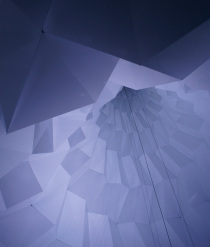
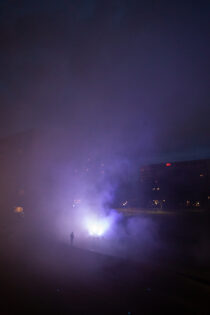
Inhale, exhale and relax for the ultimate apocalypse. Embark on an astral projection to the astrophysical end of the universe.
Meditations for the End of the Universe
Inhale, exhale and relax for the ultimate apocalypse. Embark on an astral projection to the astrophysical end of the universe.
Apophenia – Meaningful Connections Between Things
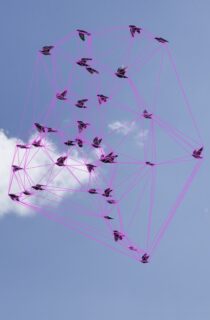
A neuroscientist, a dancer, a pigeon fancier and a string trio connect neuronal patterns in the brain with patterns in bird flocks, dance, music and language : “neuromancer meets ornithomancer”.
Apophenia – Meaningful Connections Between Things
A neuroscientist, a dancer, a pigeon fancier and a string trio connect neuronal patterns in the brain with patterns in bird flocks, dance, music and language : “neuromancer meets ornithomancer”.
Synchronicity (16mm)
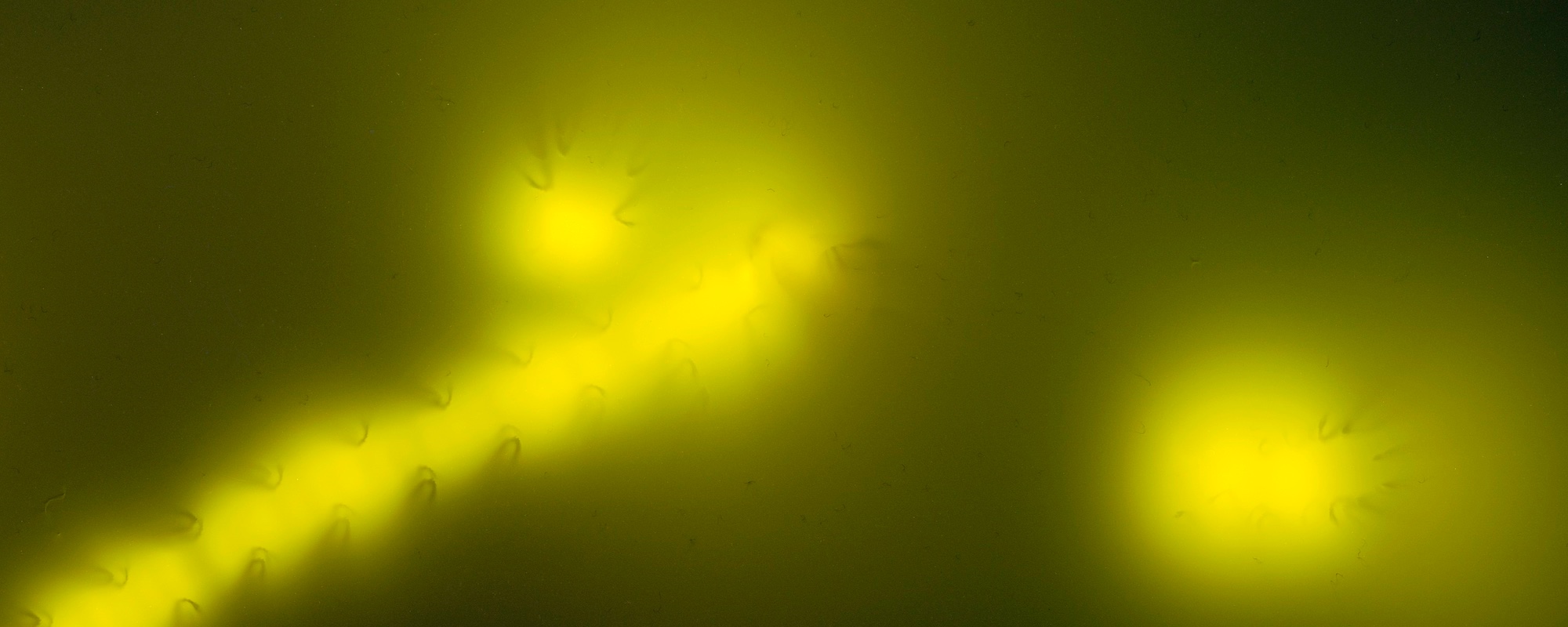
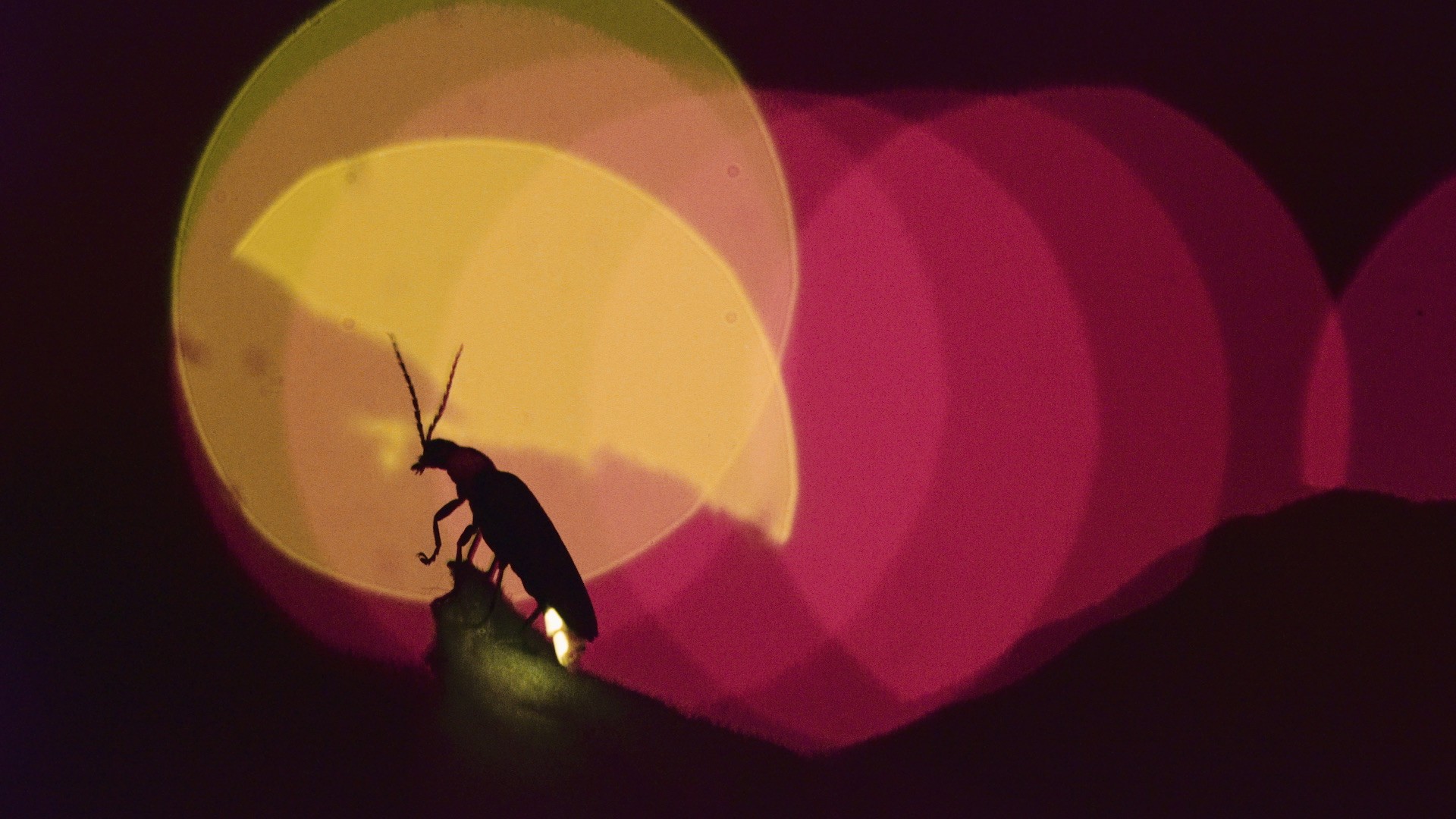
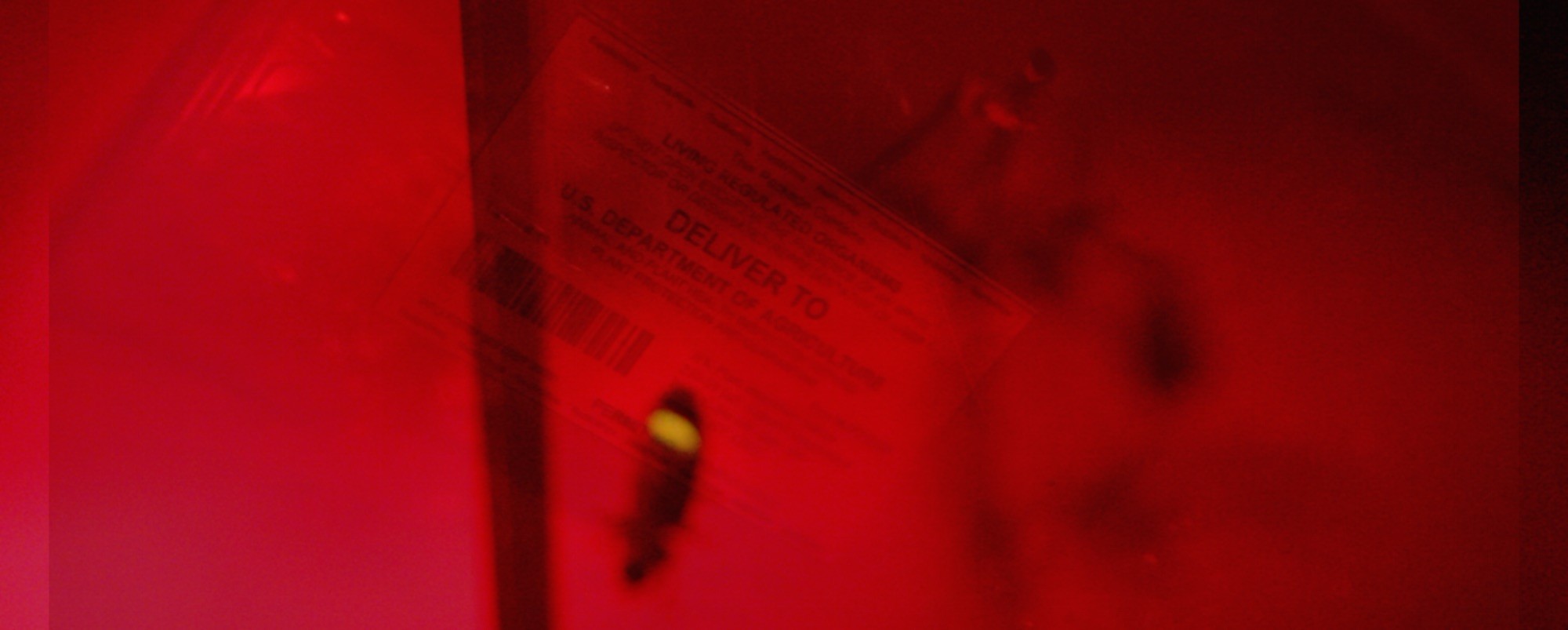
16mm photographic film was directly exposed to the light of two captive fireflies (Pteroptyx malaccae). Inside a dark space, without camera or optics, the insects were simply placed on an analogue film strip.
Synchronicity (16mm)
16mm photographic film was directly exposed to the light of two captive fireflies (Pteroptyx malaccae). Inside a dark space, without camera or optics, the insects were simply placed on an analogue film strip.
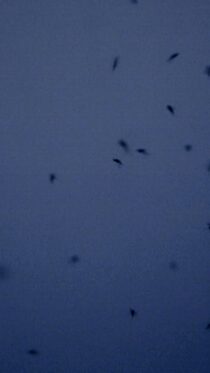
Singing with the Insect Choir: A culicomorpha swarm reacting to voices of two scientists
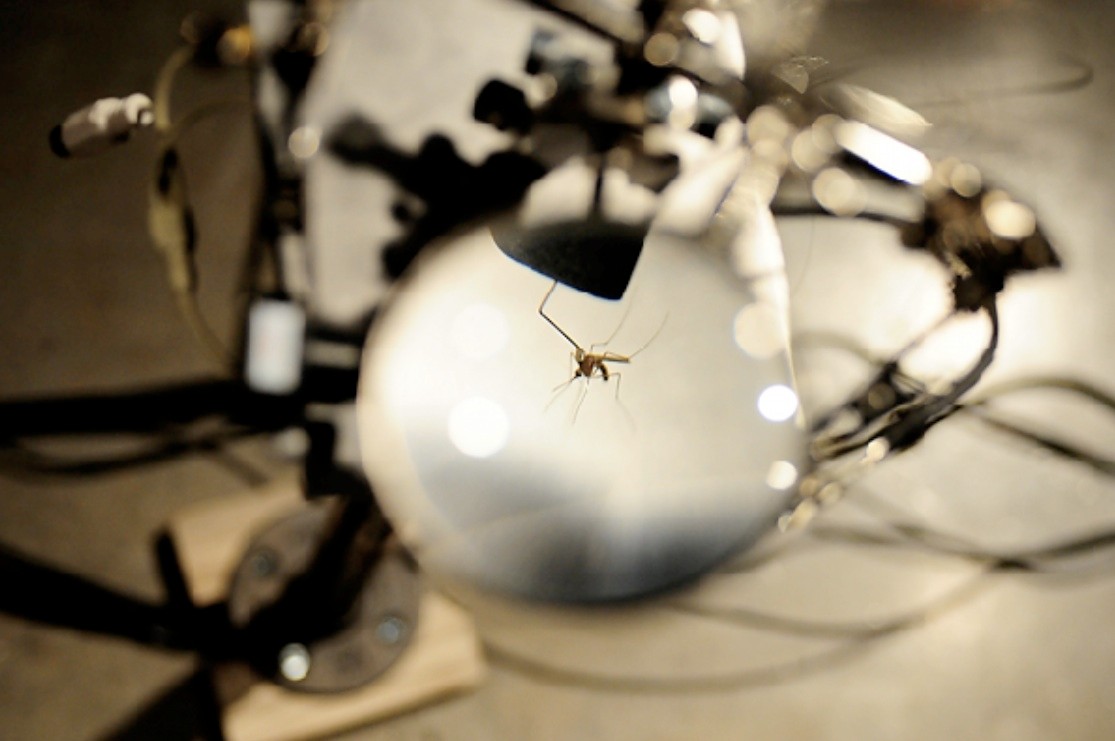
In 1861, the entomologist Osten-Sacken refers to a Cuban naturalist who once told him that whenever the note ‘A’ was played by a band, the swarm of mosquitoes hovering over his head suddenly flew downward toward his face. More recently, during their research on mosquitoes and chironomids, scientists Lionel Feugère and Gabriella Gibson also noticed how these insects react to the sound of their voices. A musical relationship unfolds as night falls on the marshes of Northward Hill in northern Kent.
Singing with the Insect Choir: A culicomorpha swarm reacting to voices of two scientists
In 1861, the entomologist Osten-Sacken refers to a Cuban naturalist who once told him that whenever the note ‘A’ was played by a band, the swarm of mosquitoes hovering over his head suddenly flew downward toward his face. More recently, during their research on mosquitoes and chironomids, scientists Lionel Feugère and Gabriella Gibson also noticed how these insects react to the sound of their voices. A musical relationship unfolds as night falls on the marshes of Northward Hill in northern Kent.
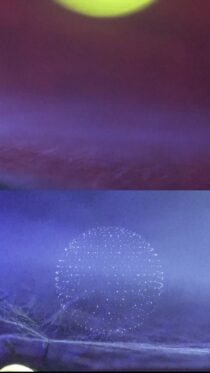
Chimera States: Synchronicity exhibition at EPFL, Switzerland
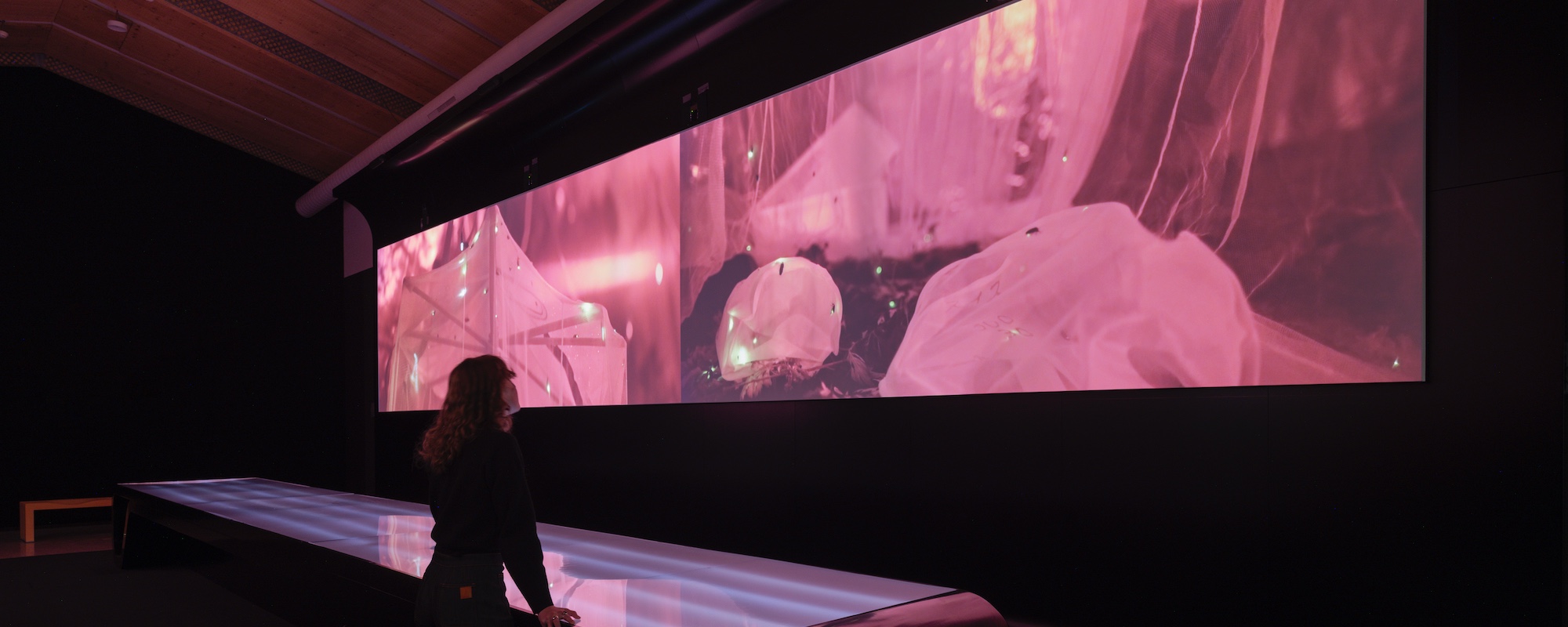
Current mathematical models don’t capture the complexities of the fireflies’ synchronizing behaviour, instigating the creation of new models called Chimera States. A collaboration with the mathematics department of Northwestern University resulted in a multichannel video installation “Chimera States”, displayed at EPFL Pavilions in 2023.
Chimera States: Synchronicity exhibition at EPFL, Switzerland
Current mathematical models don’t capture the complexities of the fireflies’ synchronizing behaviour, instigating the creation of new models called Chimera States. A collaboration with the mathematics department of Northwestern University resulted in a multichannel video installation “Chimera States”, displayed at EPFL Pavilions in 2023.
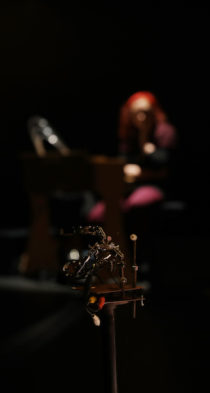
Truce (Concert Version)
Concert for live mosquitoes, Dhrupad singer and Ondes Martenot
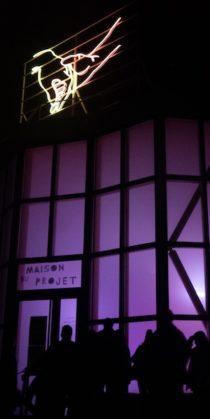
Dreamachine
During la Nuit Blanche in Paris, Dream Machine transformed the Paris Art Lab pavilion into a hypnotic sound installation. This concert-installation channeled the ghosts of Brion Gysin, Marian Zazeela and La Monte Young propagating clouds of psychedelic beat culture into the parisian air. Several musicians connect with this sensorial experience through a series of concerts – a trip to be enjoyed with your eyes closed.
Dreamachine
During la Nuit Blanche in Paris, Dream Machine transformed the Paris Art Lab pavilion into a hypnotic sound installation. This concert-installation channeled the ghosts of Brion Gysin, Marian Zazeela and La Monte Young propagating clouds of psychedelic beat culture into the parisian air. Several musicians connect with this sensorial experience through a series of concerts – a trip to be enjoyed with your eyes closed.
Satie Variations (Offspring)
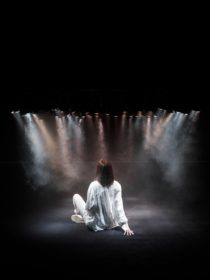
Satie Variations is a generative composition commissioned by Pierre Huyghe for a new version of his Untitled (Light Show). The composition is a custom algorithm based on a recurrent neural network (Performance RNN, Max, Bach library, etc.) and is trained to play infinite variations of Erik Satie’s Gymnopédies 1 & 3.
Satie Variations (Offspring)
Satie Variations is a generative composition commissioned by Pierre Huyghe for a new version of his Untitled (Light Show). The composition is a custom algorithm based on a recurrent neural network (Performance RNN, Max, Bach library, etc.) and is trained to play infinite variations of Erik Satie’s Gymnopédies 1 & 3.
Collective Feeding
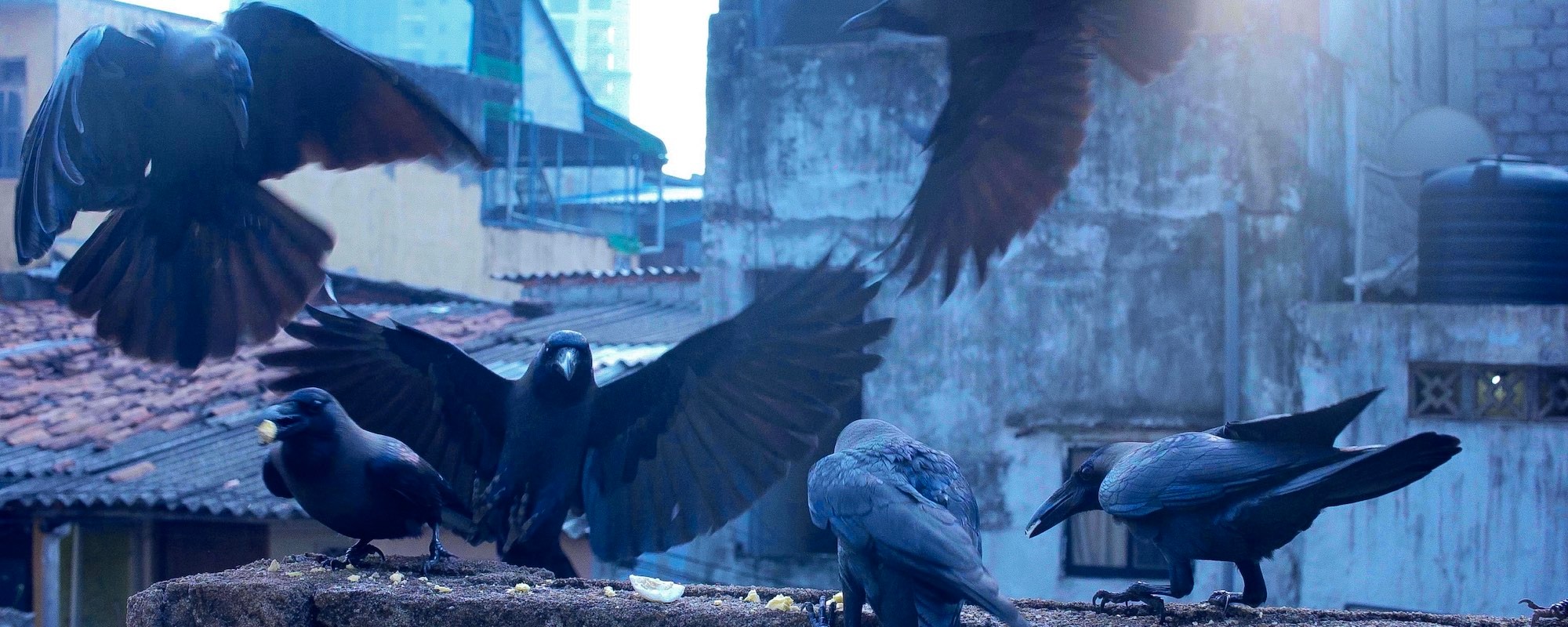
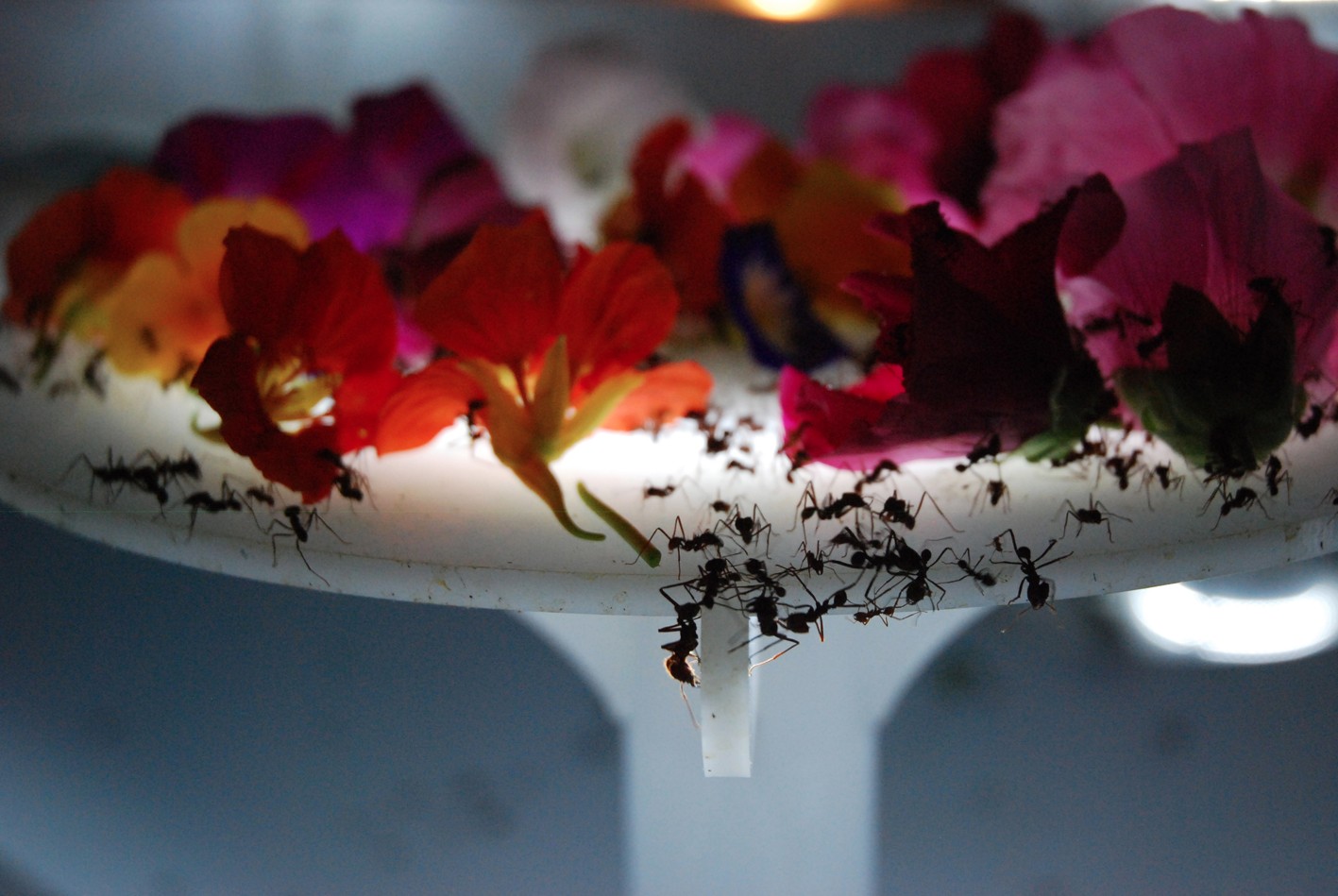
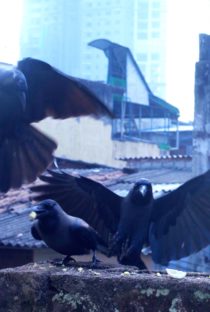
In 2014, Dutch authorities began to kill a small population of house crows (corvus splendens) near the Port of Rotterdam. The crows likely arrived from Sri Lanka around 1994 as stowaways on a commercial container boat. Apparently, international trade in a country is now understood to be the most reliable predictor of the number of introduced species found there. The house crows were all killed, except for one that found shelter in a Dutch apartment.
Collective Feeding
In 2014, Dutch authorities began to kill a small population of house crows (corvus splendens) near the Port of Rotterdam. The crows likely arrived from Sri Lanka around 1994 as stowaways on a commercial container boat. Apparently, international trade in a country is now understood to be the most reliable predictor of the number of introduced species found there. The house crows were all killed, except for one that found shelter in a Dutch apartment.
The Vanishing Actor
A contribution by Bastien Gallet and myself to a special issue of Architectural Design (Volume 87, Issue 4 – July 2017) edited by Skylar Tibbits, “AD Autonomous Assembly: Designing for a New Era of Collective Construction“. PDF link below:
The Vanishing Actor
A contribution by Bastien Gallet and myself to a special issue of Architectural Design (Volume 87, Issue 4 – July 2017) edited by Skylar Tibbits, “AD Autonomous Assembly: Designing for a New Era of Collective Construction“. PDF link below:
Synchronicity (NYC)
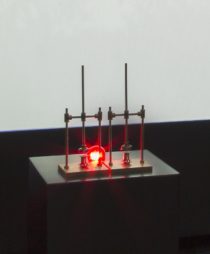
Synchronicity (Thailand) is shown at Arsenal Contemporary NY – 214 Bowery – from 6 March to 22 April 2018. Press Release Article in Whitewall 39 must-see shows in artnet Thank you Pierre and Anne-Marie Trahan, Isabelle Kowal, Loreta Lamargese, Elise Gallant and last
Synchronicity (NYC)
Synchronicity (Thailand) is shown at Arsenal Contemporary NY – 214 Bowery – from 6 March to 22 April 2018. Press Release Article in Whitewall 39 must-see shows in artnet Thank you Pierre and Anne-Marie Trahan, Isabelle Kowal, Loreta Lamargese, Elise Gallant and last
Satellite Sonata
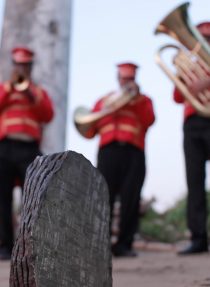
Satellite Sonata was a musical encounter with 5 local musicians (Mumbai Police Band and Goa Orchestra) conducted by Santiago Lusardi-Girelli for the Story of Space Festival, an educational and artistic event in Panjim, Goa.
Satellite Sonata
Satellite Sonata was a musical encounter with 5 local musicians (Mumbai Police Band and Goa Orchestra) conducted by Santiago Lusardi-Girelli for the Story of Space Festival, an educational and artistic event in Panjim, Goa.
Synchronicity (East Lansing)
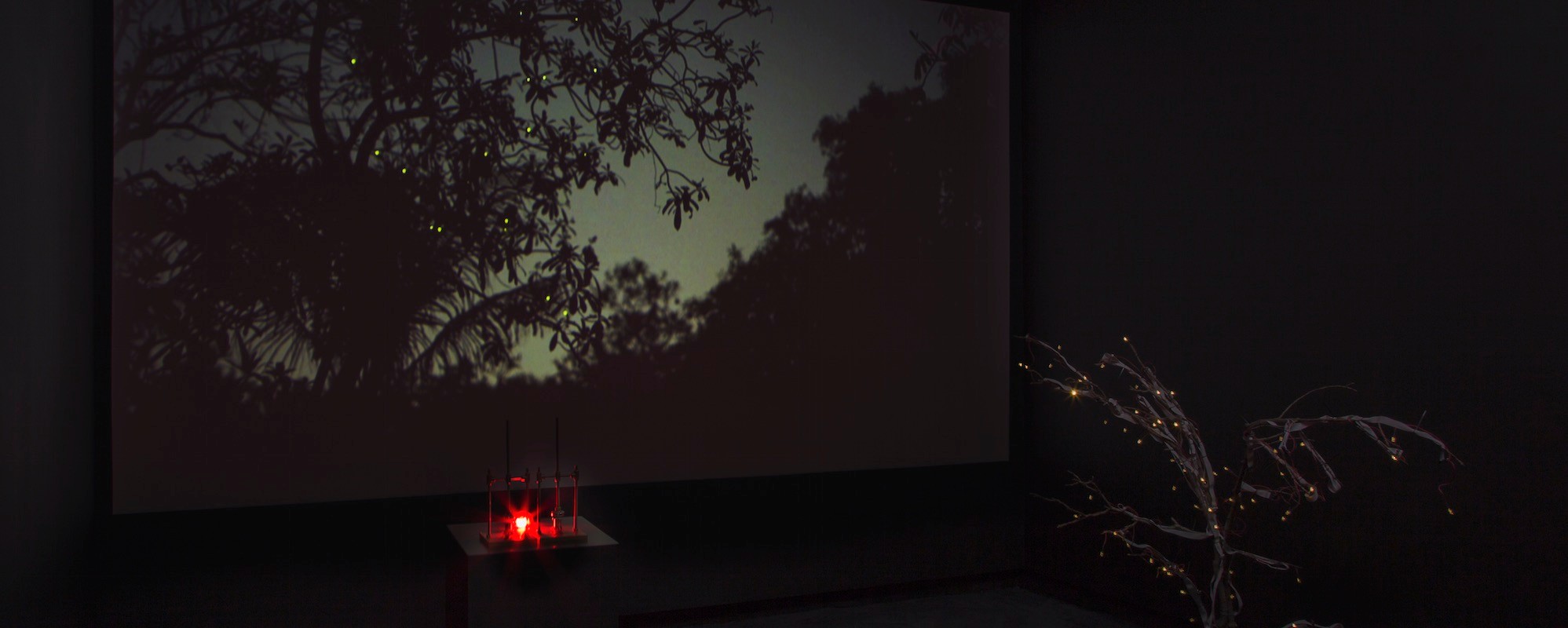
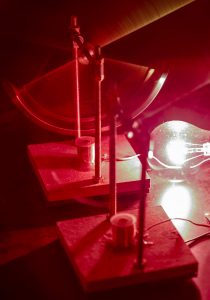
Synchronicity is a series of installations exploring the emergence of natural cycles and synchrony inside an artificial biosphere. Live fireflies and crickets are made to flash and chirp in unison with two synchronising pendulums by manipulating the insect’s behaviour through lights and sounds. Inspired by this synchrony an array of electronic devices join the chorus and start to flicker, buzz or move in unison.
Synchronicity (East Lansing)
Synchronicity is a series of installations exploring the emergence of natural cycles and synchrony inside an artificial biosphere. Live fireflies and crickets are made to flash and chirp in unison with two synchronising pendulums by manipulating the insect’s behaviour through lights and sounds. Inspired by this synchrony an array of electronic devices join the chorus and start to flicker, buzz or move in unison.

11th Shanghai Biennale
For the 11th Shanghai Biennale RAQS invited me to show Song for Ghost Travellers and Fossil Records. What an amazing experience and fascinating exhibition! Very happy to have met so many new artists, curators, writers and most of all friends. I
11th Shanghai Biennale
For the 11th Shanghai Biennale RAQS invited me to show Song for Ghost Travellers and Fossil Records. What an amazing experience and fascinating exhibition! Very happy to have met so many new artists, curators, writers and most of all friends. I
Art Press on Song for Ghost Travelers
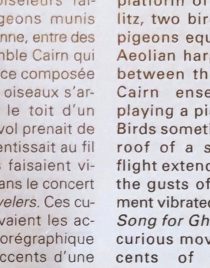
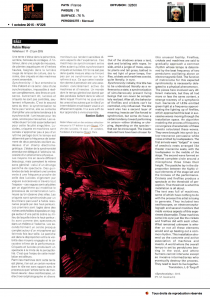
Article by Anaël Pigeat about Song for Ghost Travelers in Art Press
Art Press on Song for Ghost Travelers
Article by Anaël Pigeat about Song for Ghost Travelers in Art Press
Synchronisation vs. Synchronicity
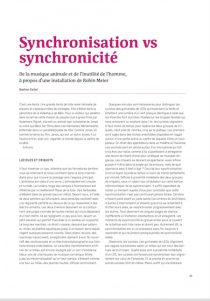
Great article in the current issue of Dissonance by Bastien Gallet on Synchronicity at Art Basel. Synchronisation vs synchronicity Of animal music and man’s uselessness. About an installation by Robin Meier Bastien Gallet Synchronicity. That is the title of an installation
Synchronisation vs. Synchronicity
Great article in the current issue of Dissonance by Bastien Gallet on Synchronicity at Art Basel. Synchronisation vs synchronicity Of animal music and man’s uselessness. About an installation by Robin Meier Bastien Gallet Synchronicity. That is the title of an installation
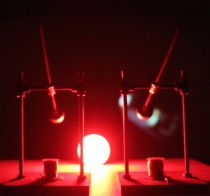
Synchronicity (Thailand) in Pittsburgh
Synchronicity (Thailand) with André Gwerder on display at Wood Street Galleries in Pittsburgh PA from April 22 – June 19 2016. Group show “All around us” curated by Ali Momeni. Synchronicity was produced by the Audemars Piguet Art Commission 2015 and supported
Synchronicity (Thailand) in Pittsburgh
Synchronicity (Thailand) with André Gwerder on display at Wood Street Galleries in Pittsburgh PA from April 22 – June 19 2016. Group show “All around us” curated by Ali Momeni. Synchronicity was produced by the Audemars Piguet Art Commission 2015 and supported
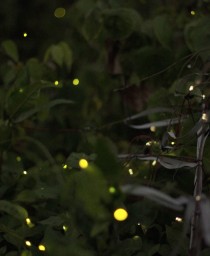
Synchronicity (Thailand)
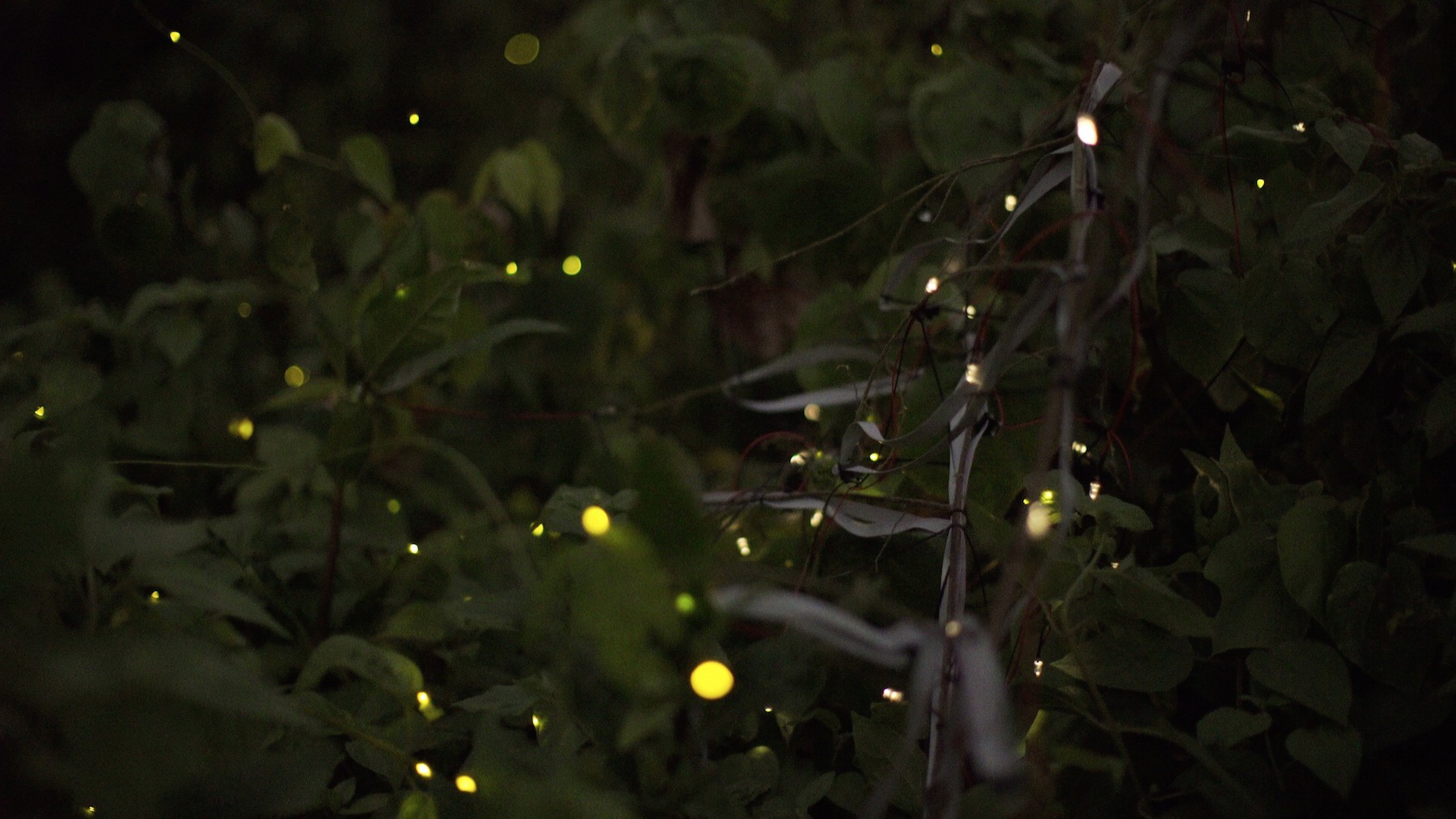
In a mangrove forest in Thailand live fireflies (Pteroptyx malaccae) synchronise their flashes with computer controlled LED’s. By establishing a light-based form of communication with the insects, the artists influence the rhythmic flashing of large colonies of fireflies. A silent orchestra harmonises without the need for a conductor. With no central control, computers and insects interact in this rhythmic composition of light.
Synchronicity (Thailand)
In a mangrove forest in Thailand live fireflies (Pteroptyx malaccae) synchronise their flashes with computer controlled LED’s. By establishing a light-based form of communication with the insects, the artists influence the rhythmic flashing of large colonies of fireflies. A silent orchestra harmonises without the need for a conductor. With no central control, computers and insects interact in this rhythmic composition of light.

RADIO at Fondation Louis Vuitton
à écouter pendant 24h: RADIO, une station dédiée à la poésie conçue par Anne-James Chaton à la Fondation Louis Vuitton. J’interviens samedi matin 11h-12h dans la discussion animé par Bastien Gallet en compagnie de Laure Gauthier, David Christoffel et Jérôme
RADIO at Fondation Louis Vuitton
à écouter pendant 24h: RADIO, une station dédiée à la poésie conçue par Anne-James Chaton à la Fondation Louis Vuitton. J’interviens samedi matin 11h-12h dans la discussion animé par Bastien Gallet en compagnie de Laure Gauthier, David Christoffel et Jérôme
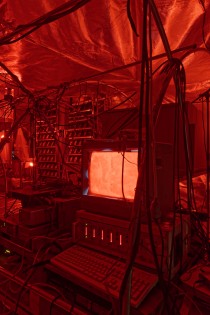
L’ordre des Lucioles at Fondation Ricard
a collection of photos from the Paris version of Synchronicity for the Ricard Art Prize “L’ordre des Lucioles” from Sept 15 – Oct 31 2015 at Fondation Ricard in Paris Le Prix Fondation d’entreprise Ricard 2015 ouvre des champs de recherches qui
L’ordre des Lucioles at Fondation Ricard
a collection of photos from the Paris version of Synchronicity for the Ricard Art Prize “L’ordre des Lucioles” from Sept 15 – Oct 31 2015 at Fondation Ricard in Paris Le Prix Fondation d’entreprise Ricard 2015 ouvre des champs de recherches qui
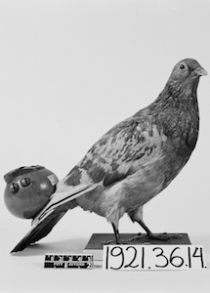
Song for Ghost Travelers (2015)
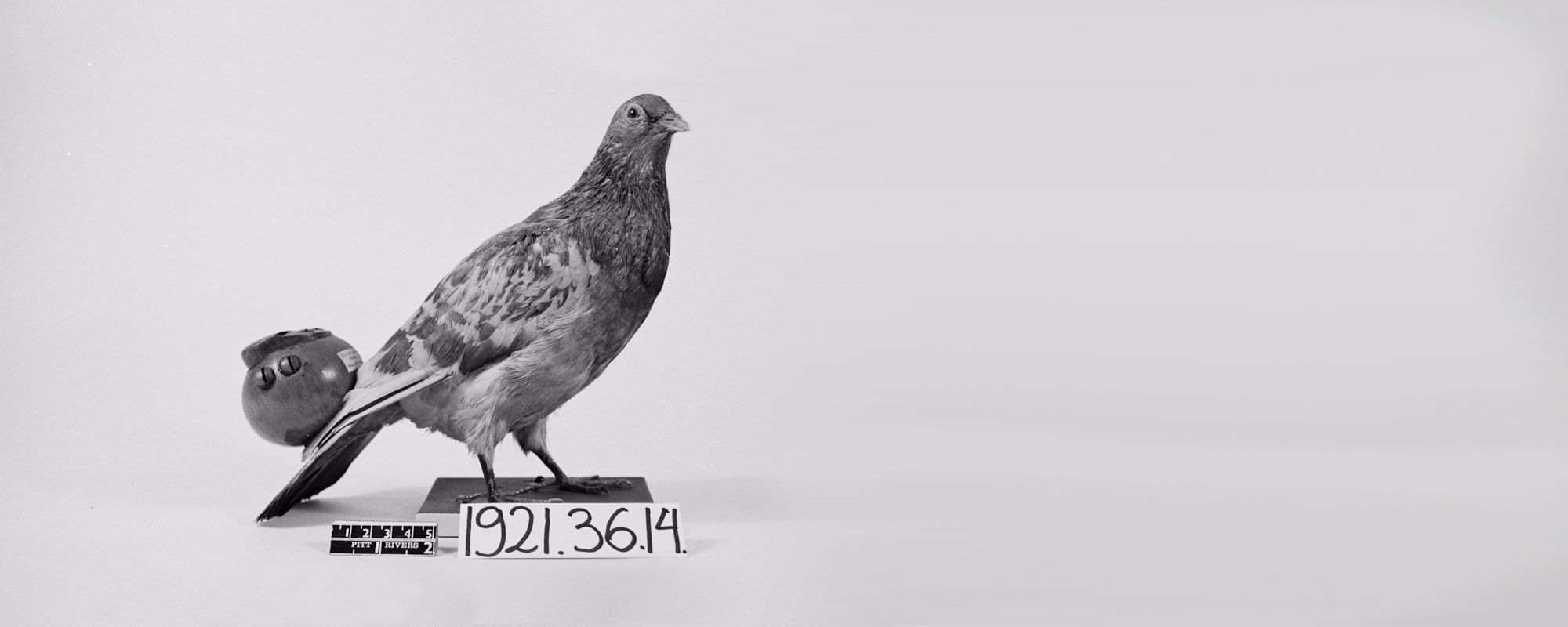
Song for Ghost Travellers is a score for twelve pigeons and three musicians. Inspired by the Chinese tradition of attaching spherical flutes to pigeons, this performance explores ideas of chance and structure through patterns of flying birds and movements of trains inside a railway station.
Song for Ghost Travelers (2015)
Song for Ghost Travellers is a score for twelve pigeons and three musicians. Inspired by the Chinese tradition of attaching spherical flutes to pigeons, this performance explores ideas of chance and structure through patterns of flying birds and movements of trains inside a railway station.
Synchronicity (2015)
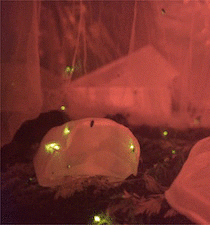
Synchronicity is an installation exploring the emergence of natural cycles and synchrony inside an artificial biosphere. Live fireflies and crickets are made to flash and chirp in unison with two synchronising pendulums by manipulating the insect’s behaviour through lights and sounds. Inspired by this synchrony an array of electronic devices join the chorus and start to flicker, buzz or move in sync.
Synchronicity (2015)
Synchronicity is an installation exploring the emergence of natural cycles and synchrony inside an artificial biosphere. Live fireflies and crickets are made to flash and chirp in unison with two synchronising pendulums by manipulating the insect’s behaviour through lights and sounds. Inspired by this synchrony an array of electronic devices join the chorus and start to flicker, buzz or move in sync.
Fossil Records (2015)
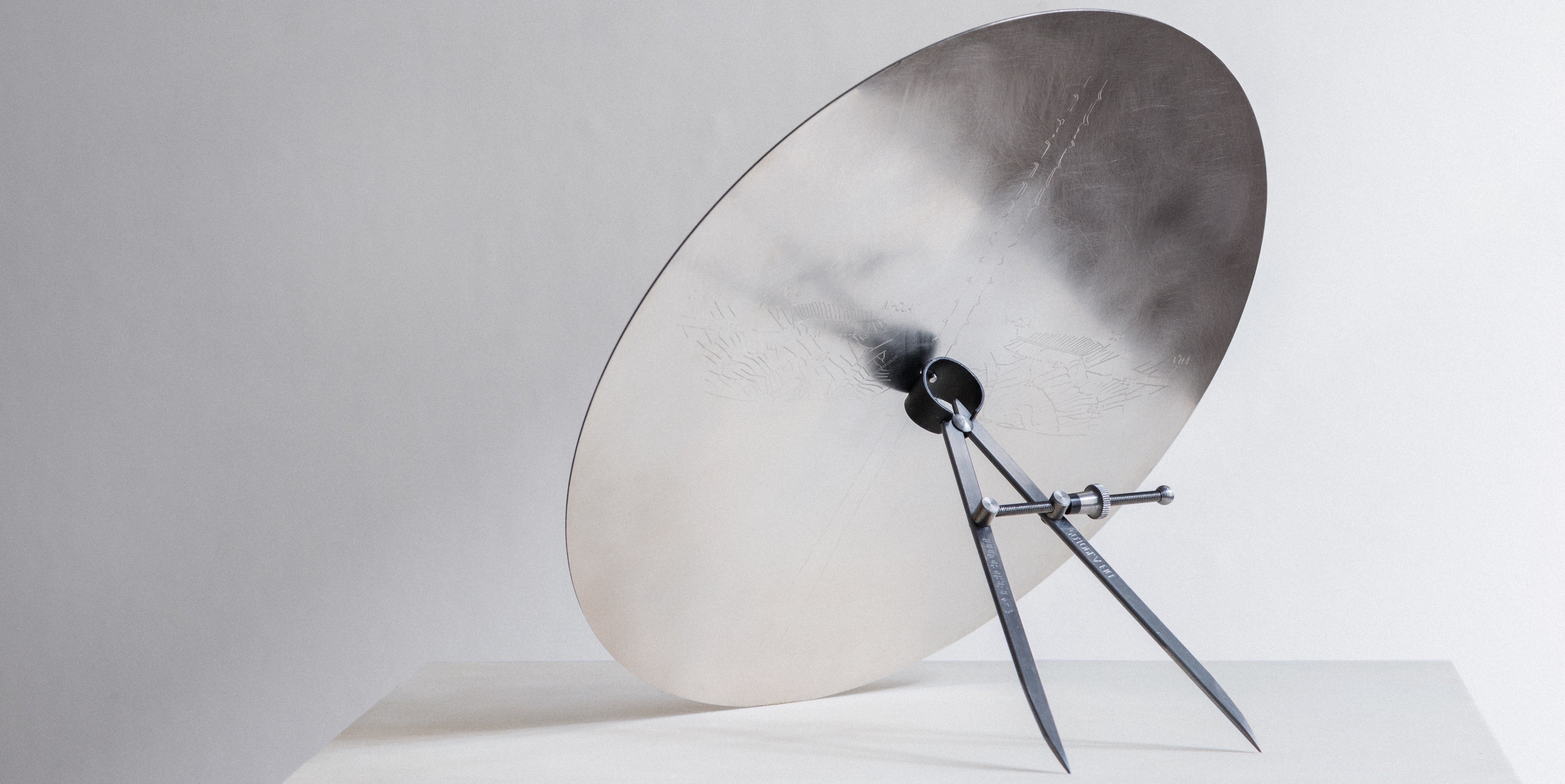
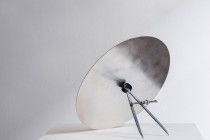
Fossil Records is a reconstruction of the sounds emitted by a fossilised insect. By creating a digital model of a highly detailed fossil’s stridulatory file its sound was made to come alive again and was then printed on a playable steel/copper disk in reference to the Golden Record on NASA’s voyager space probe: A record playing sounds from millions of years ago – in symmetry to a future civilisation discovering the Voyager space probe millions of years from now.
Fossil Records (2015)
Fossil Records is a reconstruction of the sounds emitted by a fossilised insect. By creating a digital model of a highly detailed fossil’s stridulatory file its sound was made to come alive again and was then printed on a playable steel/copper disk in reference to the Golden Record on NASA’s voyager space probe: A record playing sounds from millions of years ago – in symmetry to a future civilisation discovering the Voyager space probe millions of years from now.
Science Art Residency
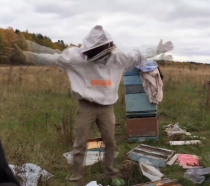
happy times with Cyrille Henry, ::vtol:: and the bees in Nikola Lenivets October 2014 – again! Love the bees! Powerwalk!!!
Science Art Residency
happy times with Cyrille Henry, ::vtol:: and the bees in Nikola Lenivets October 2014 – again! Love the bees! Powerwalk!!!
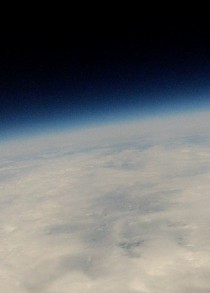
F93 – space balloon
production 2013: f93 (Stéphane Coulaud), CNES, Planète Sciences in collaboration with the teachers Jean-Michel Rossi and Jeff Lance and their students Projet éducatif: une caméra filme depuis un ballon météorologique pendant sa montée jusqu’à 30km. après une vue imprenable sur la terre et
F93 – space balloon
production 2013: f93 (Stéphane Coulaud), CNES, Planète Sciences in collaboration with the teachers Jean-Michel Rossi and Jeff Lance and their students Projet éducatif: une caméra filme depuis un ballon météorologique pendant sa montée jusqu’à 30km. après une vue imprenable sur la terre et
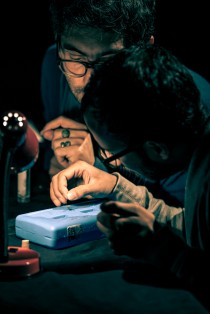
Photos from Truce at SONICA in Glasgow
a series of photos of Truce by Zeno Watson, courtesy of SONICA Glasgow 2013
Photos from Truce at SONICA in Glasgow
a series of photos of Truce by Zeno Watson, courtesy of SONICA Glasgow 2013
Testing Firefly Sync in Russia
Controlling dozens of LED lights inside Nikolay Polissky’s Universal Mind sculpture in Nikola Lenivets, Russia using a custom jitter patch that simulates synchronizing fireflies. see 5 CHOB for the final artwork, synchronizing firefly simulation for the MaxMSP Jitter patch and firefly
Testing Firefly Sync in Russia
Controlling dozens of LED lights inside Nikolay Polissky’s Universal Mind sculpture in Nikola Lenivets, Russia using a custom jitter patch that simulates synchronizing fireflies. see 5 CHOB for the final artwork, synchronizing firefly simulation for the MaxMSP Jitter patch and firefly
Website Redesign
Hello visitor! We’re in the middle of redesigning the website. Please bear with us until we’ve ironed out all the little bugs. Should some content you are looking for not be available, please drop us a message via email or
Website Redesign
Hello visitor! We’re in the middle of redesigning the website. Please bear with us until we’ve ironed out all the little bugs. Should some content you are looking for not be available, please drop us a message via email or
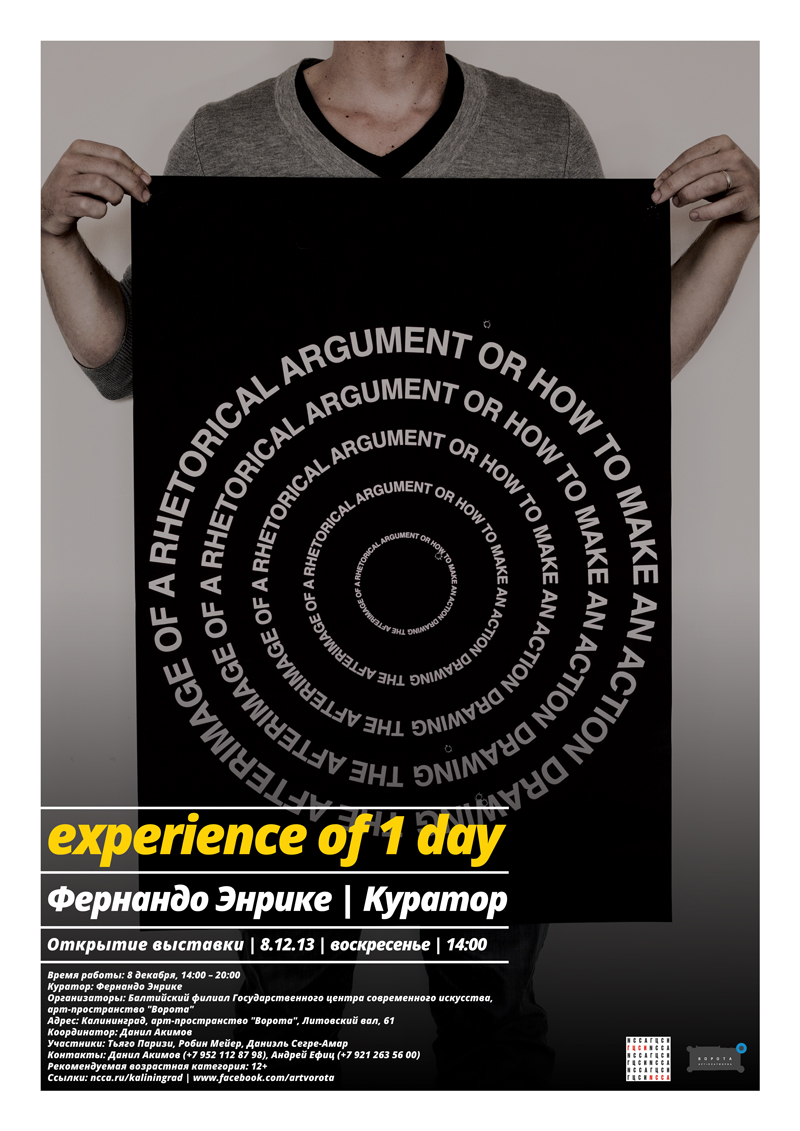
5 CHOB Soundwalk in Kaliningrad
Soundwalk version of 5 CHOB for the exhibition Experience 1 Day at NCCA in Kaliningrad, Russia. For this one-day event curated by Fernando Henrique I adapted my compositions from Nikola Lenivets as 5 different soundwalks – to be enjoyed in the
5 CHOB Soundwalk in Kaliningrad
Soundwalk version of 5 CHOB for the exhibition Experience 1 Day at NCCA in Kaliningrad, Russia. For this one-day event curated by Fernando Henrique I adapted my compositions from Nikola Lenivets as 5 different soundwalks – to be enjoyed in the

Mosquitoes on BBC News
watch Truce on the bbc website or you can listen to a piece from the BBC Radio 4 “Today Programme” flv (16mb) or mp4 (168mb) and special farsi version!
Mosquitoes on BBC News
watch Truce on the bbc website or you can listen to a piece from the BBC Radio 4 “Today Programme” flv (16mb) or mp4 (168mb) and special farsi version!
Five Dreams of Nikola Lenivets (2013)
5 CHOB НИКОЛА-ЛЕНИВЦА (5 Dreams of Nikola Lenivets) is a multichannel sound composition based on recordings made with inhabitants of Nikola Lenivets in Russia. Using techniques from improvised theatre, dance and psychotherapy we reenacted dreams the participants had in the village. Psychodrama methods
Five Dreams of Nikola Lenivets (2013)
5 CHOB НИКОЛА-ЛЕНИВЦА (5 Dreams of Nikola Lenivets) is a multichannel sound composition based on recordings made with inhabitants of Nikola Lenivets in Russia. Using techniques from improvised theatre, dance and psychotherapy we reenacted dreams the participants had in the village. Psychodrama methods
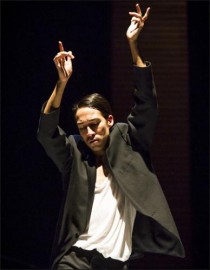
Antigone Sr (L) : Twenty Looks or Paris is burning at the Judson church
Chorégraphie: Trajal Harrell / avec: Trajal Harrell, Stephen Thompson, Thibault Lac, Rob Fordeyn, Ondrej Vidlar / scénographie: Erik Flatmo / lumières: Jan Maertens / design sonore : Robin Meier / dramaturgie: Gérard Mayen Coproduction New York Live Arts, Centre National de danse contemporaine Angers, Centre Chorégraphique national de France-Comté (Belfort). Coréalisation Les
Antigone Sr (L) : Twenty Looks or Paris is burning at the Judson church
Chorégraphie: Trajal Harrell / avec: Trajal Harrell, Stephen Thompson, Thibault Lac, Rob Fordeyn, Ondrej Vidlar / scénographie: Erik Flatmo / lumières: Jan Maertens / design sonore : Robin Meier / dramaturgie: Gérard Mayen Coproduction New York Live Arts, Centre National de danse contemporaine Angers, Centre Chorégraphique national de France-Comté (Belfort). Coréalisation Les
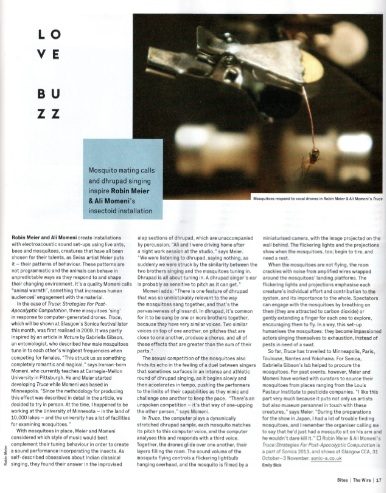
Article in The Wire
UK magazine The Wire just published an article about Truce in light of our upcoming show at sonic-a in Glasgow.
Article in The Wire
UK magazine The Wire just published an article about Truce in light of our upcoming show at sonic-a in Glasgow.
Interview on Mayak Moscow
Scientist and journalist Ilya Kolmanovsky (first from right) invited me to his show on Moscow’s official radio station Mayak to talk about science, technology and art. and – uhm – it’s in russian. Наука журналист Илья Колмановский пригласил меня к
Interview on Mayak Moscow
Scientist and journalist Ilya Kolmanovsky (first from right) invited me to his show on Moscow’s official radio station Mayak to talk about science, technology and art. and – uhm – it’s in russian. Наука журналист Илья Колмановский пригласил меня к
If The Lion Could Speak (2012)
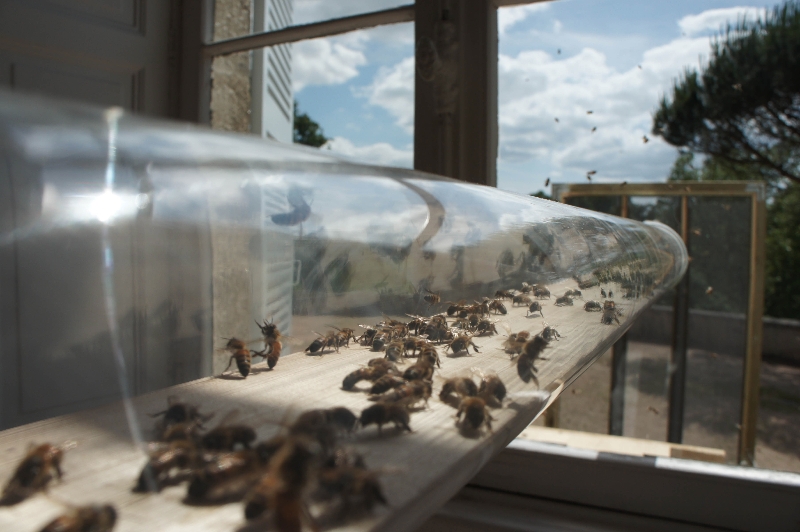
Robin Meier and Ali Momeni Curated by Virginie Bourget for Domaine Garenne Lemot (Conseil Général Loire-Atlantique), Clisson, France Matériaux divers, Apis mellifera ligustica, dite abeille italienne Extraits du Golden Record de Voyager : – 55 salutations de 55 langues –
If The Lion Could Speak (2012)
Robin Meier and Ali Momeni Curated by Virginie Bourget for Domaine Garenne Lemot (Conseil Général Loire-Atlantique), Clisson, France Matériaux divers, Apis mellifera ligustica, dite abeille italienne Extraits du Golden Record de Voyager : – 55 salutations de 55 langues –
Firefly Sync Simulation
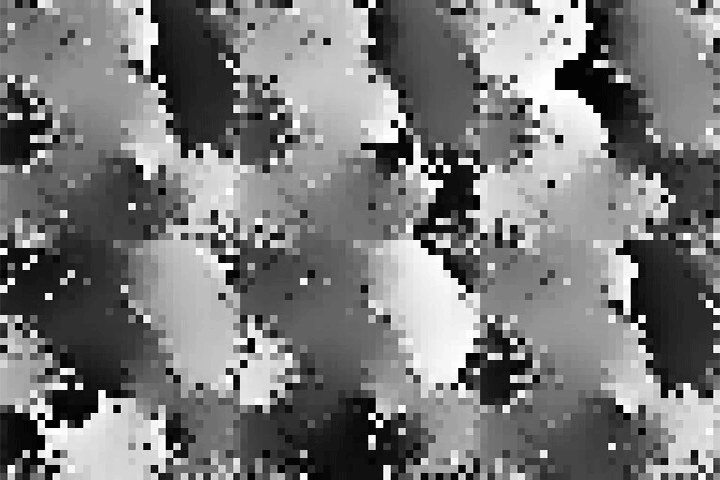
a small max / jitter patch which simulates a system of coupled oscillators as in synchronizing fireflies. it’s inspired by algorithms described by Steven Strogatz in his book “Sync”. let me know if you make something with it! I tested this patch
Firefly Sync Simulation
a small max / jitter patch which simulates a system of coupled oscillators as in synchronizing fireflies. it’s inspired by algorithms described by Steven Strogatz in his book “Sync”. let me know if you make something with it! I tested this patch
Human Use of Human Beings (2013)
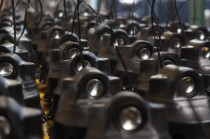
Curated by Charles Carcopino Co-Produced by Lille3000, Seconde Nature, La Gare Numérique (Jeumont), Le Manège (Mons), DICRéAM (CNC) and Arcadi shown at Festival VIA Maubeuge, Festival Exit Paris, Gare St. Sauveur Lille, Seconde Nature Aix-en-Provence robotic installation In his 1950
Human Use of Human Beings (2013)
Curated by Charles Carcopino Co-Produced by Lille3000, Seconde Nature, La Gare Numérique (Jeumont), Le Manège (Mons), DICRéAM (CNC) and Arcadi shown at Festival VIA Maubeuge, Festival Exit Paris, Gare St. Sauveur Lille, Seconde Nature Aix-en-Provence robotic installation In his 1950
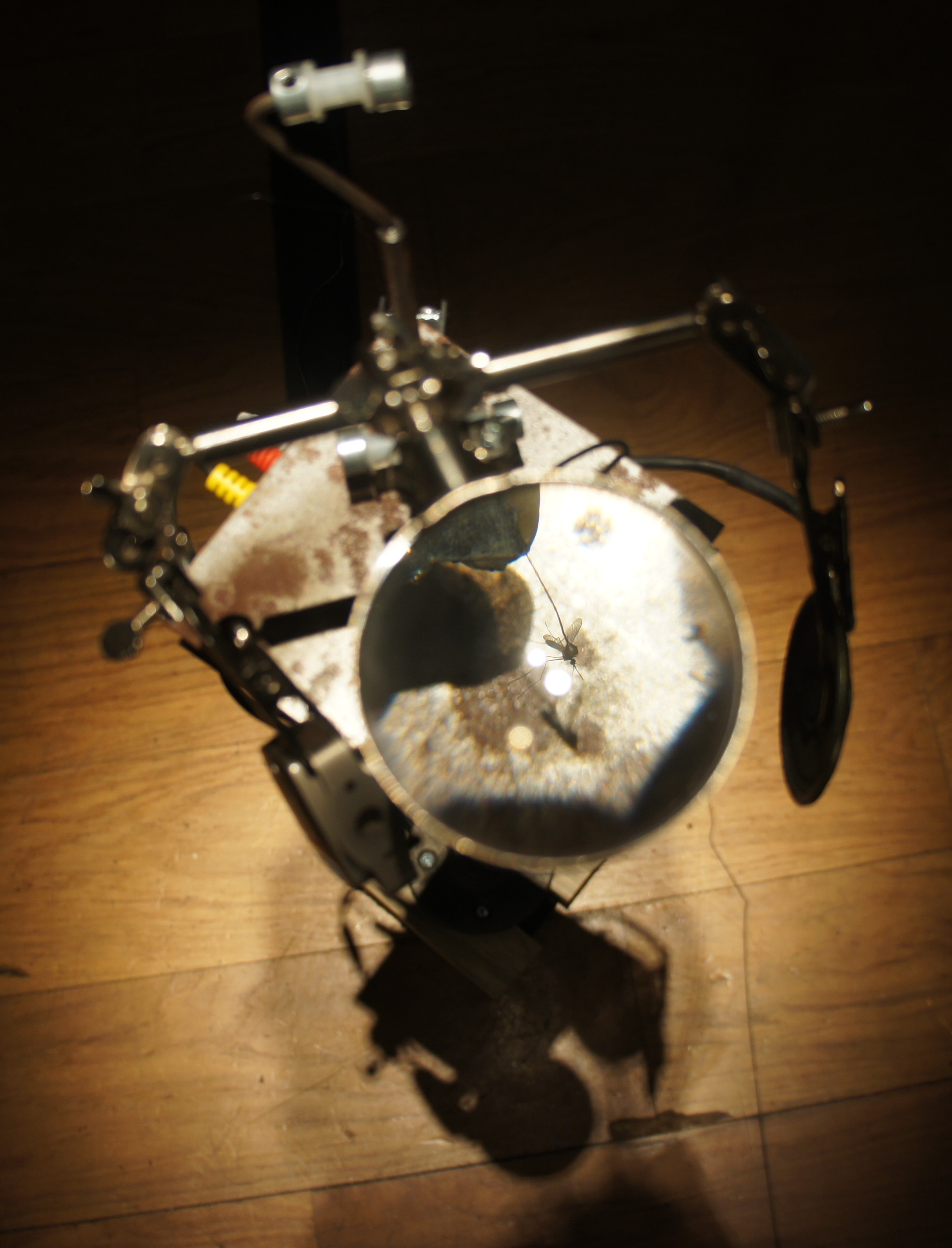
Truce in Toulouse (photos)
Photos from the show in Toulouse during Novelum Festival at the Théâtre Garonne.
Truce in Toulouse (photos)
Photos from the show in Toulouse during Novelum Festival at the Théâtre Garonne.
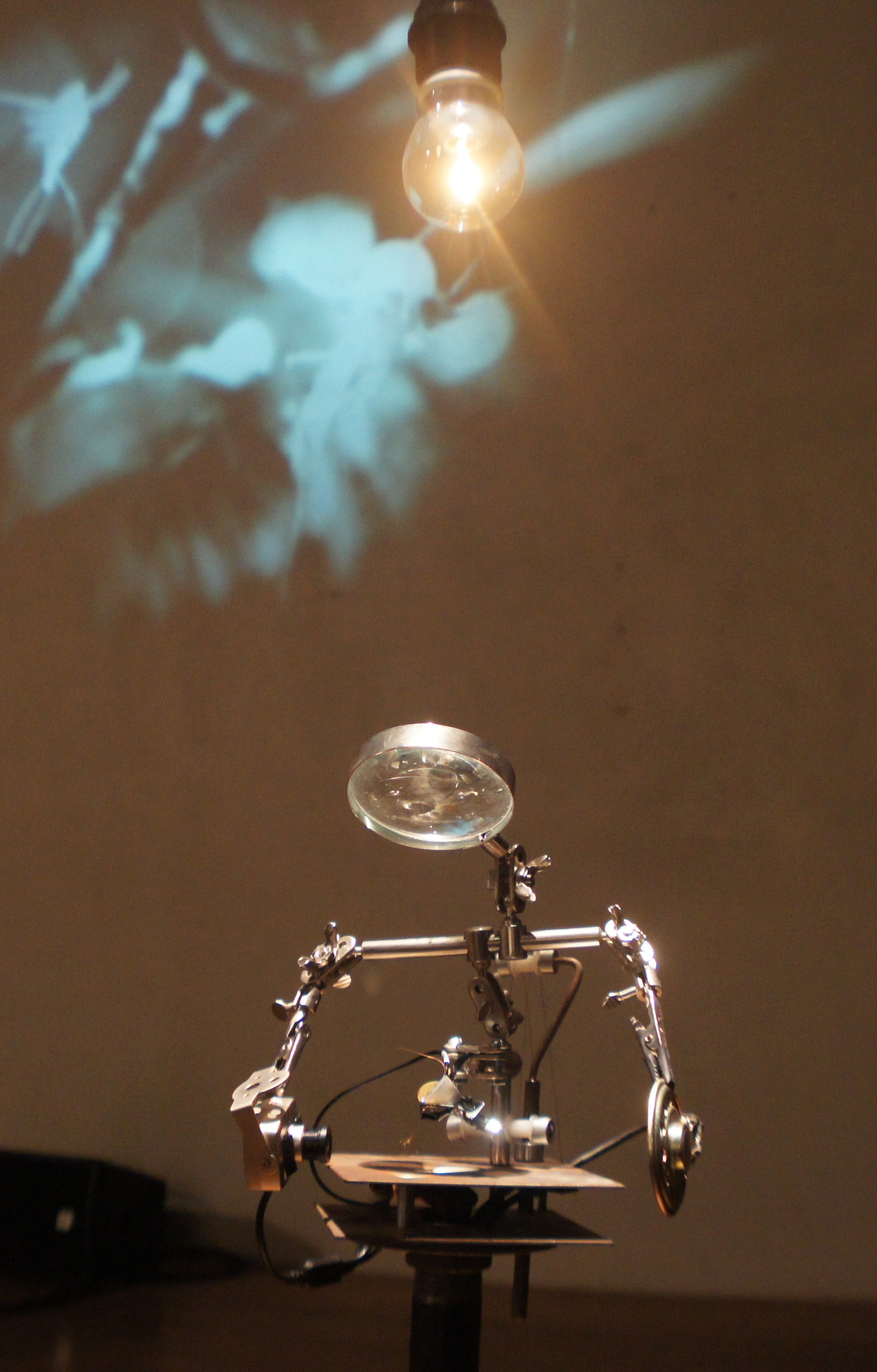
Truce in Toulouse
Mosquitoes are coming to Toulouse from Nov 20-24. Check it out at Festival Novelum.
Truce in Toulouse
Mosquitoes are coming to Toulouse from Nov 20-24. Check it out at Festival Novelum.
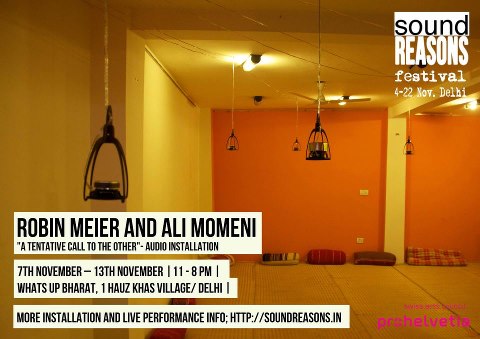
“A Tentative Call to the Other” at Sound Reasons Festival in Hauz Khas, New Delhi
For Ish Sherawat’s Sound Reason Festival, Ali and I showed our multichannel sound installation A Tentative Call to the Other from MAM in Paris, in an adaptation for the What’s Up Bharat Gallery in Hauz Khas, New Delhi. What a
“A Tentative Call to the Other” at Sound Reasons Festival in Hauz Khas, New Delhi
For Ish Sherawat’s Sound Reason Festival, Ali and I showed our multichannel sound installation A Tentative Call to the Other from MAM in Paris, in an adaptation for the What’s Up Bharat Gallery in Hauz Khas, New Delhi. What a
plis / replis at ACADIA conference in San Francisco
Ali Momeni and Hyung-Gul Kook present plis/replis at the ACADIA architecture conference in San Francisco. Check out our poster – it gives a great overview of the entire project. and also check out Hyung-Gul’s detailed post on the design of
plis / replis at ACADIA conference in San Francisco
Ali Momeni and Hyung-Gul Kook present plis/replis at the ACADIA architecture conference in San Francisco. Check out our poster – it gives a great overview of the entire project. and also check out Hyung-Gul’s detailed post on the design of
If Lions could speak – research
Some shots from our encounters with bees and beekeepers in Pittsburgh (USA) during research for “If Lions could speak” our upcoming show at the Domaine de la Garenne Lemot in Clisson, near Nantes (France) – Robin Meier and Ali Momeni
If Lions could speak – research
Some shots from our encounters with bees and beekeepers in Pittsburgh (USA) during research for “If Lions could speak” our upcoming show at the Domaine de la Garenne Lemot in Clisson, near Nantes (France) – Robin Meier and Ali Momeni
Interview on Radio France Culture
Interview about Tragedy of the Commons and plis/replis with Aude Lavigne in La Vignette on France Culture, Thursday February 9 2012, 20h55 CET
Interview on Radio France Culture
Interview about Tragedy of the Commons and plis/replis with Aude Lavigne in La Vignette on France Culture, Thursday February 9 2012, 20h55 CET
The Body is a Vessel on the Radio in Montreal
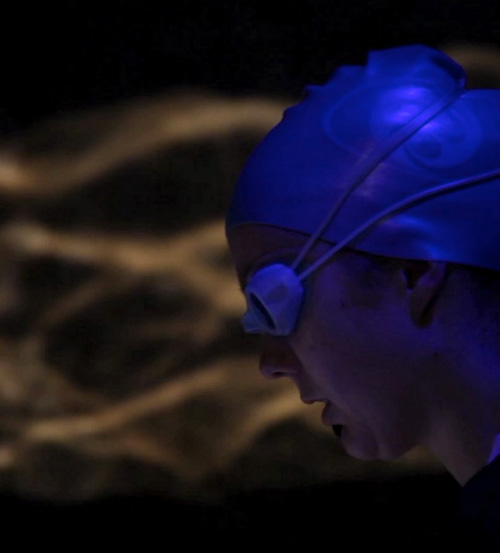
Artist and radio host Liz Pieries did a short piece on my free-diver performance The Body is a Vessel on her monday morning show on CKUT 90.3FM in Montreal
The Body is a Vessel on the Radio in Montreal
Artist and radio host Liz Pieries did a short piece on my free-diver performance The Body is a Vessel on her monday morning show on CKUT 90.3FM in Montreal
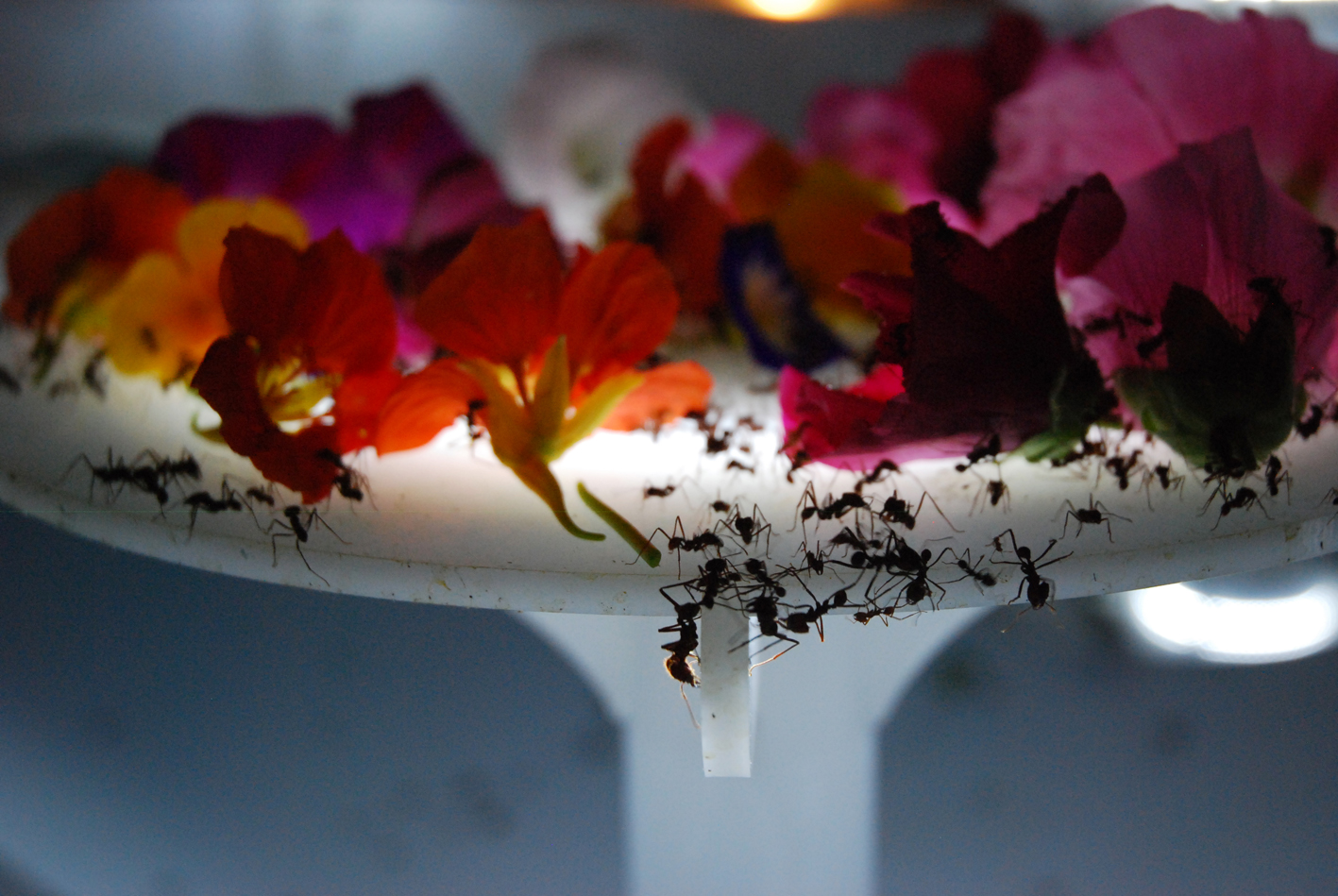
Biofeedback Exhibition in Nice
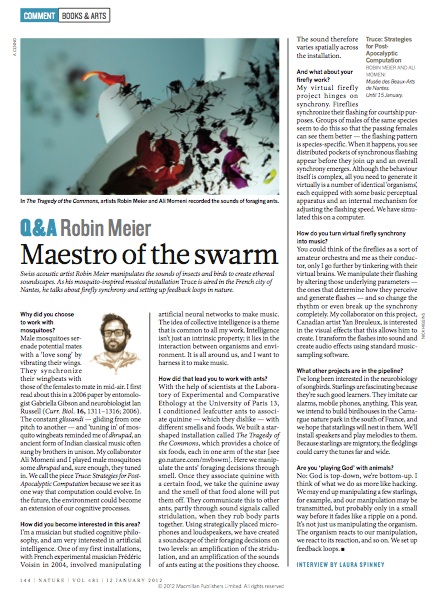
During the Biofeedback exhibition in Nice, Côte d’Azur curator Marcin Sobieszczanski shows photographs and videos from The Body is a Vessel, Truce: Strategies for Post-Apocalyptic Computation and the Tragedy of the Commons, in particular a series of photographs by Aurélie Cenno.
Biofeedback Exhibition in Nice
During the Biofeedback exhibition in Nice, Côte d’Azur curator Marcin Sobieszczanski shows photographs and videos from The Body is a Vessel, Truce: Strategies for Post-Apocalyptic Computation and the Tragedy of the Commons, in particular a series of photographs by Aurélie Cenno.
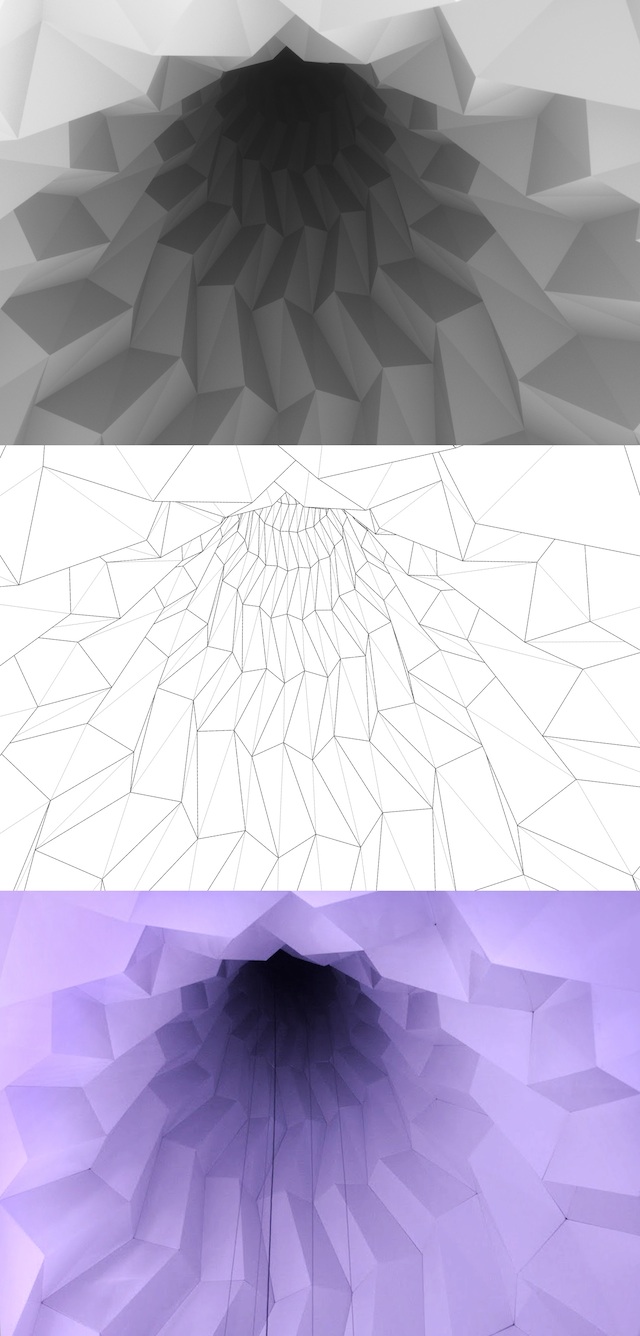
plis/replis on ArchDaily
Architecture blog ArchDaily just published a note on our work at Pommery. check it out here
plis/replis on ArchDaily
Architecture blog ArchDaily just published a note on our work at Pommery. check it out here
Truce at Musée des Beaux-Arts de Nantes
For the final days of their exhibit “L’Inquiétante Étrangeté” the Musée des Beaux-Arts de Nantes presents our mosquito piece “Truce: Strategies for Post-Apocalyptic Computation” . If you happen to be near Nantes check it out from January 12 – 15 2012.
Truce at Musée des Beaux-Arts de Nantes
For the final days of their exhibit “L’Inquiétante Étrangeté” the Musée des Beaux-Arts de Nantes presents our mosquito piece “Truce: Strategies for Post-Apocalyptic Computation” . If you happen to be near Nantes check it out from January 12 – 15 2012.
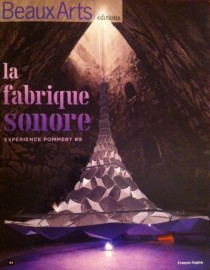
plis/replis on Beaux Arts Magazine cover
plis/replis for a special edition of Beaux Arts Magazine on the Pommery Exhibition
plis/replis on Beaux Arts Magazine cover
plis/replis for a special edition of Beaux Arts Magazine on the Pommery Exhibition