Infos
2025
with André Gwerder and Guy Amichay
MIT exhibition Website
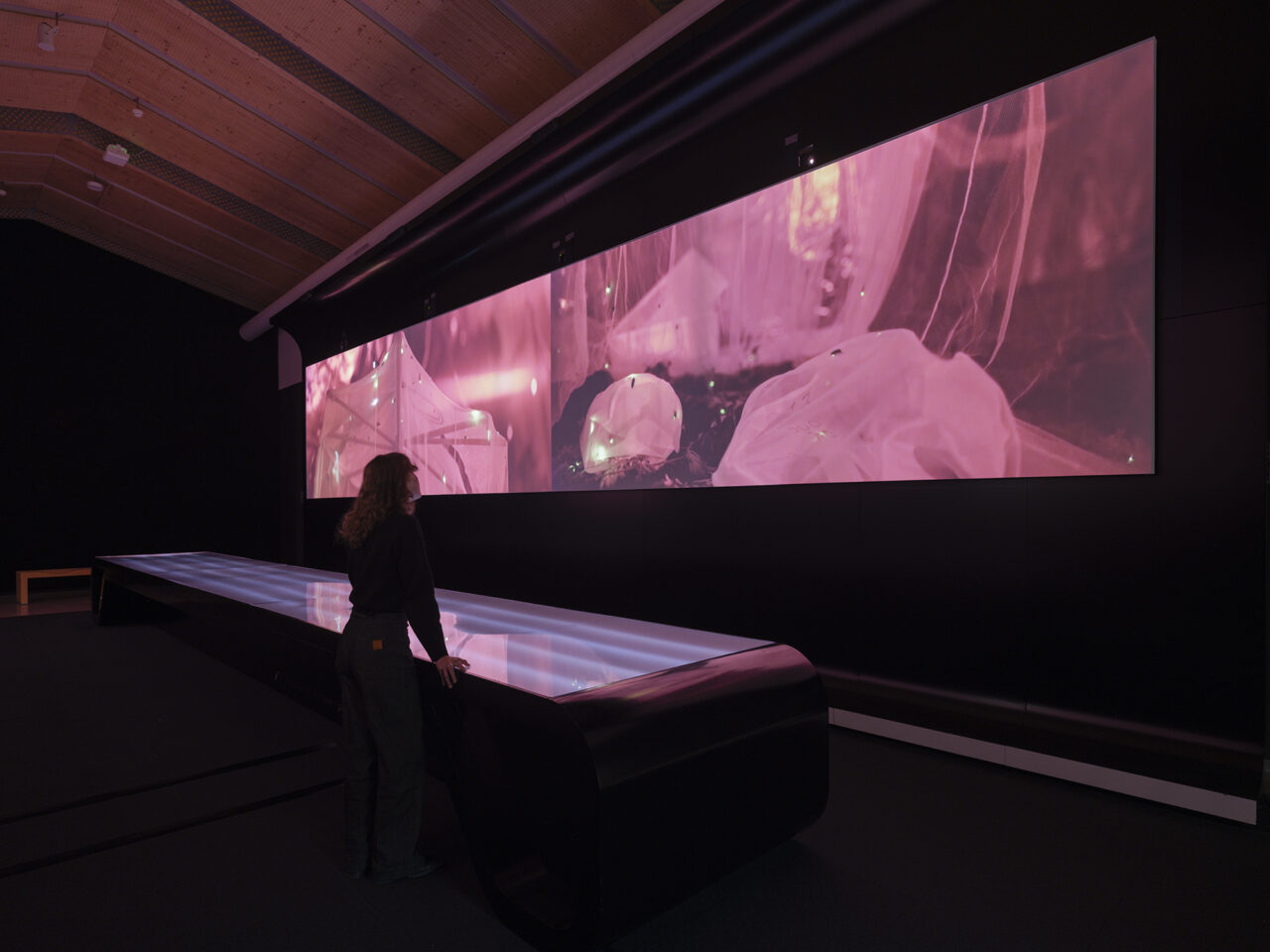
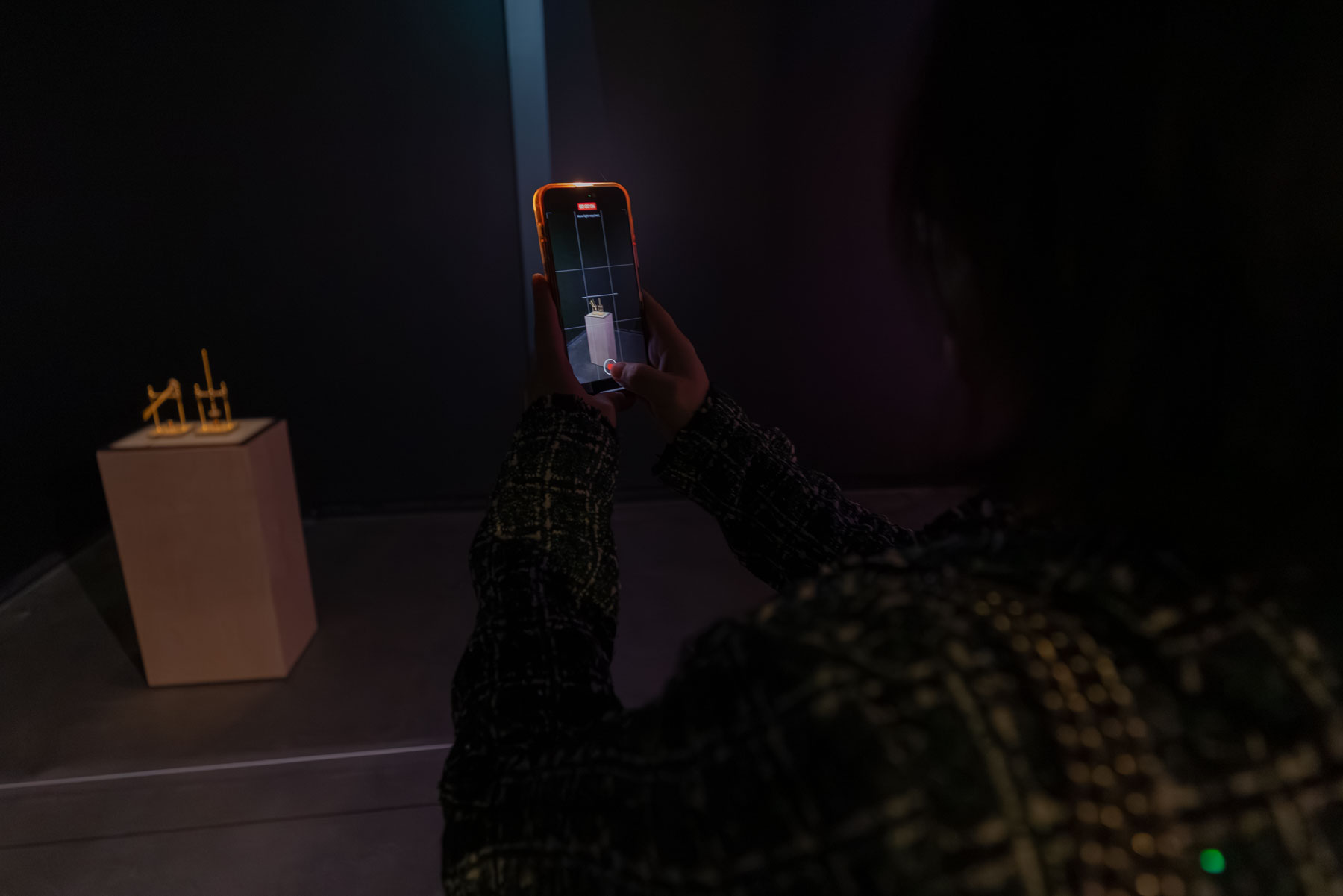
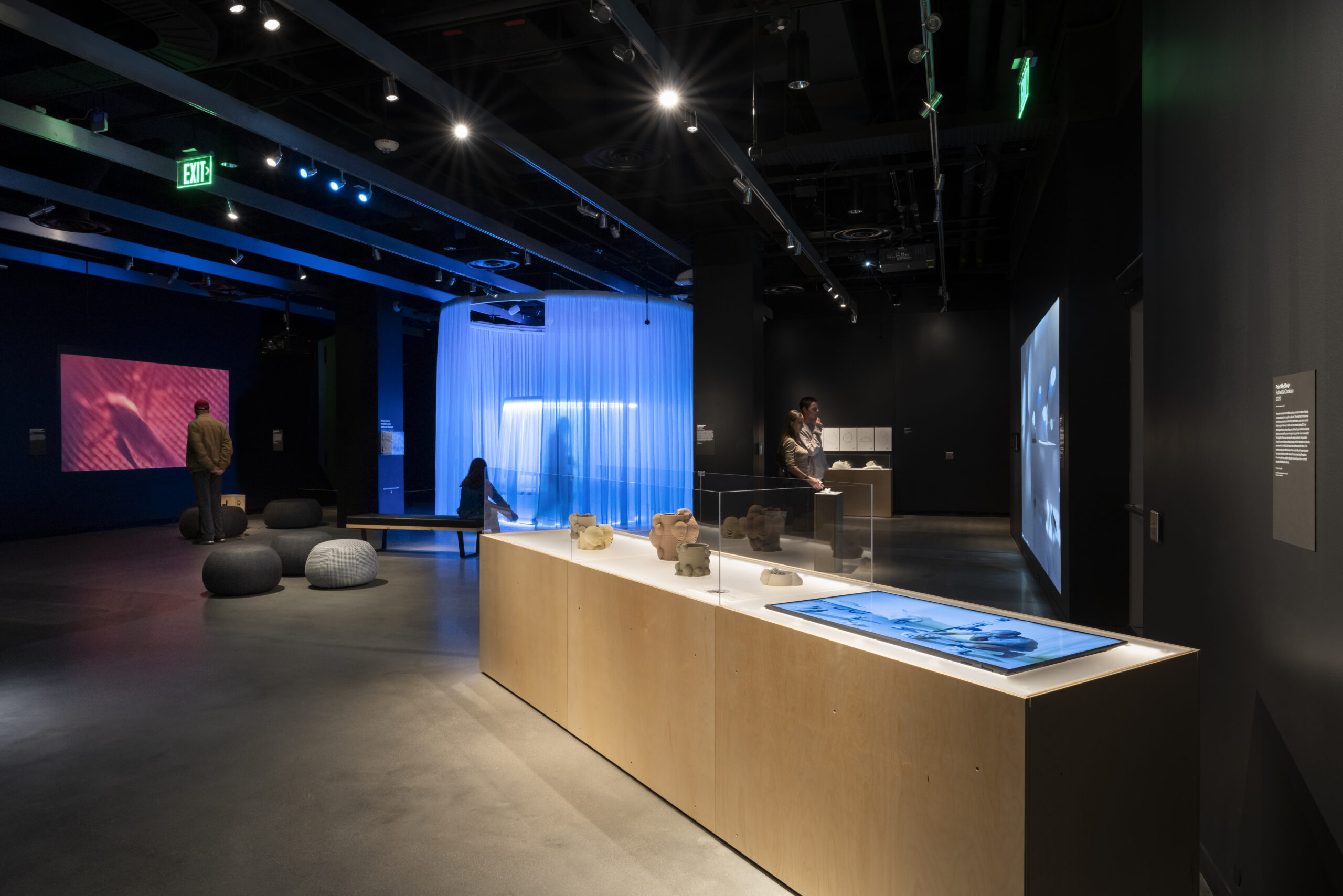
Exhibition of Synchronicity: Chimera States and Synchronicity 16mm at the MIT Museum in Boston. Part of the Lighten Up! exhibition created by EPFL Pavilions.
How does the rhythm of day and night affect our bodies and those of other living creatures? Why do we sleep? Why do we dream? Like the rising and falling tides, circadian rhythms punctuate our lives and the lives of all living organisms, profoundly influencing our behavior and health. By considering the nature of biological time, the exhibition Lighten Up! brings artists, architects and chronobiologists together to explore the nature of circadian rhythms in a series of artistic experiments and installations posing fundamental questions about the rhythms that define our lives. We are thrilled to partner with the École Polytechnique Fédérale de Lausanne (EPFL) in Switzerland on showing this major exhibition Lighten Up! at the MIT Museum. -- Michael John Gorman, The Mark R. Epstein (Class of 1963) Director, MIT Museum
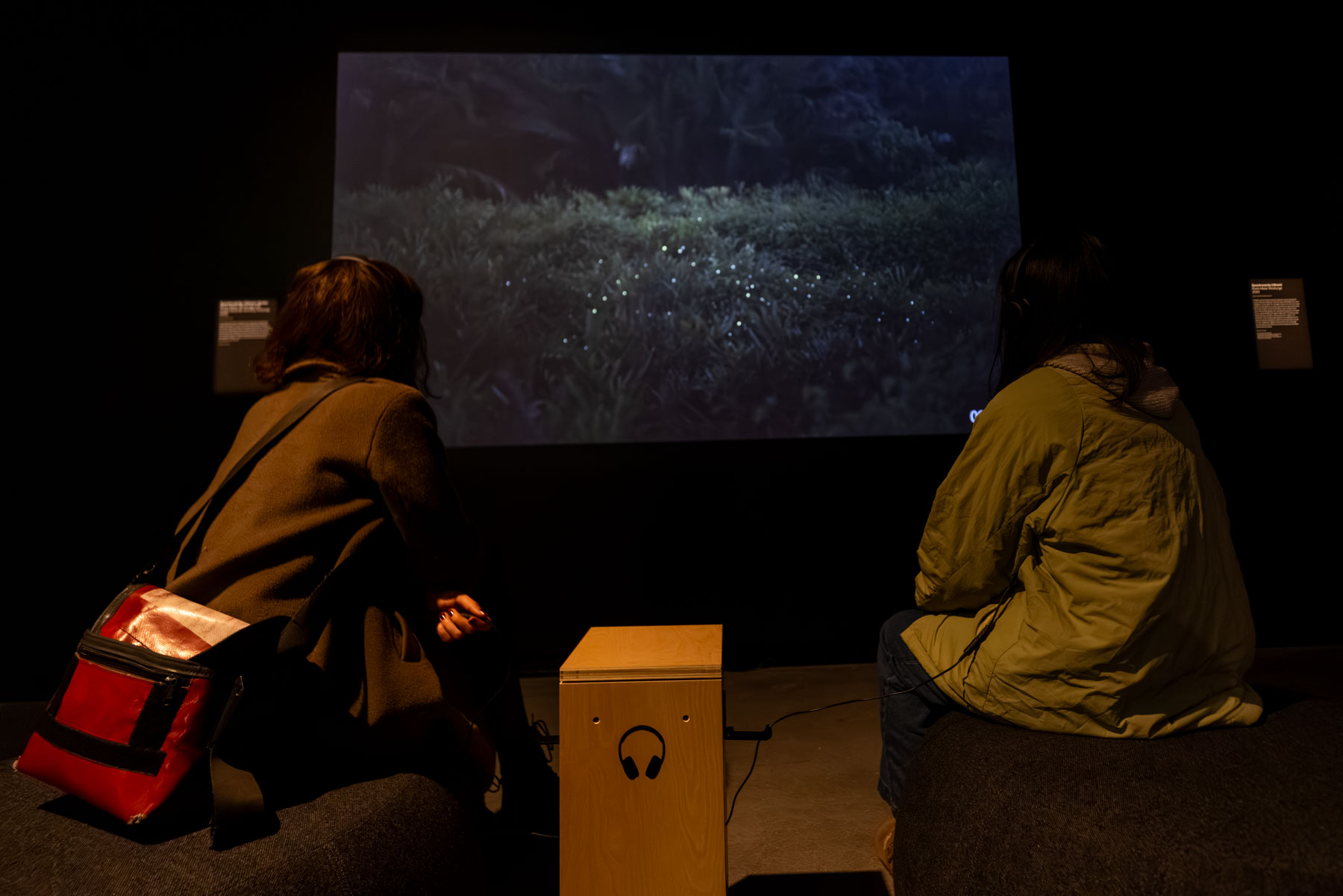
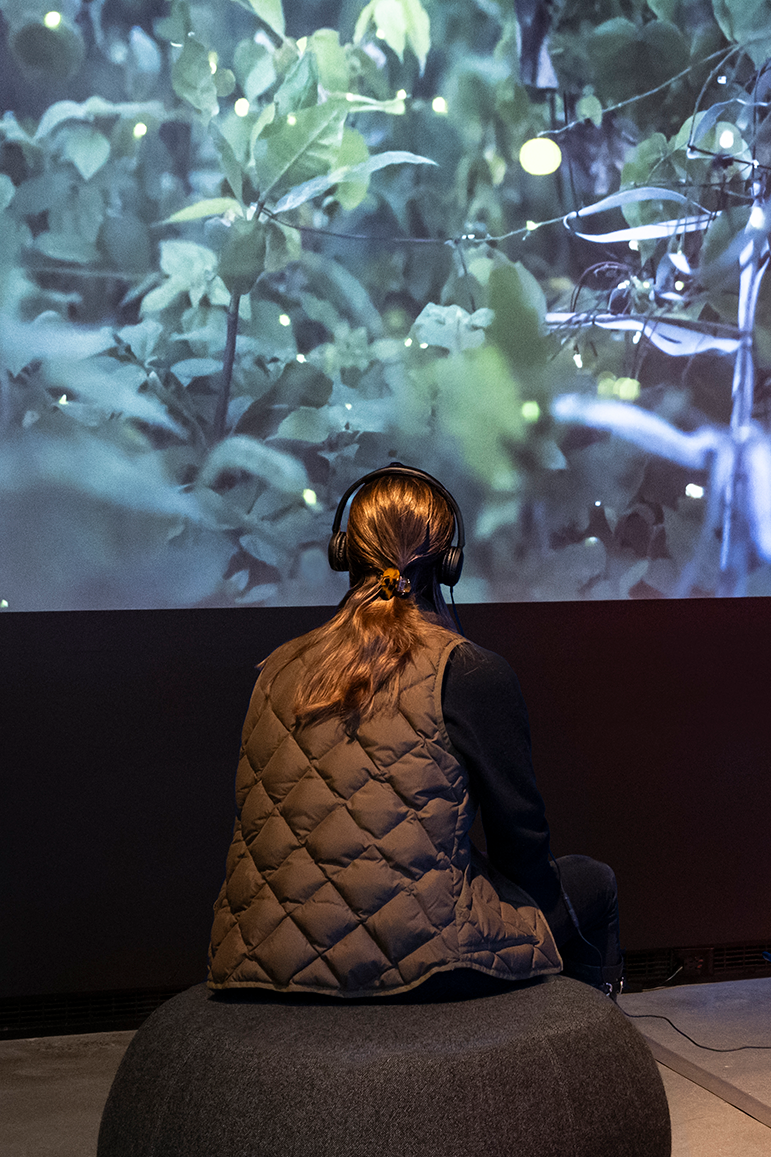
Synchronicity: Chimera States
Single-channel video, sound
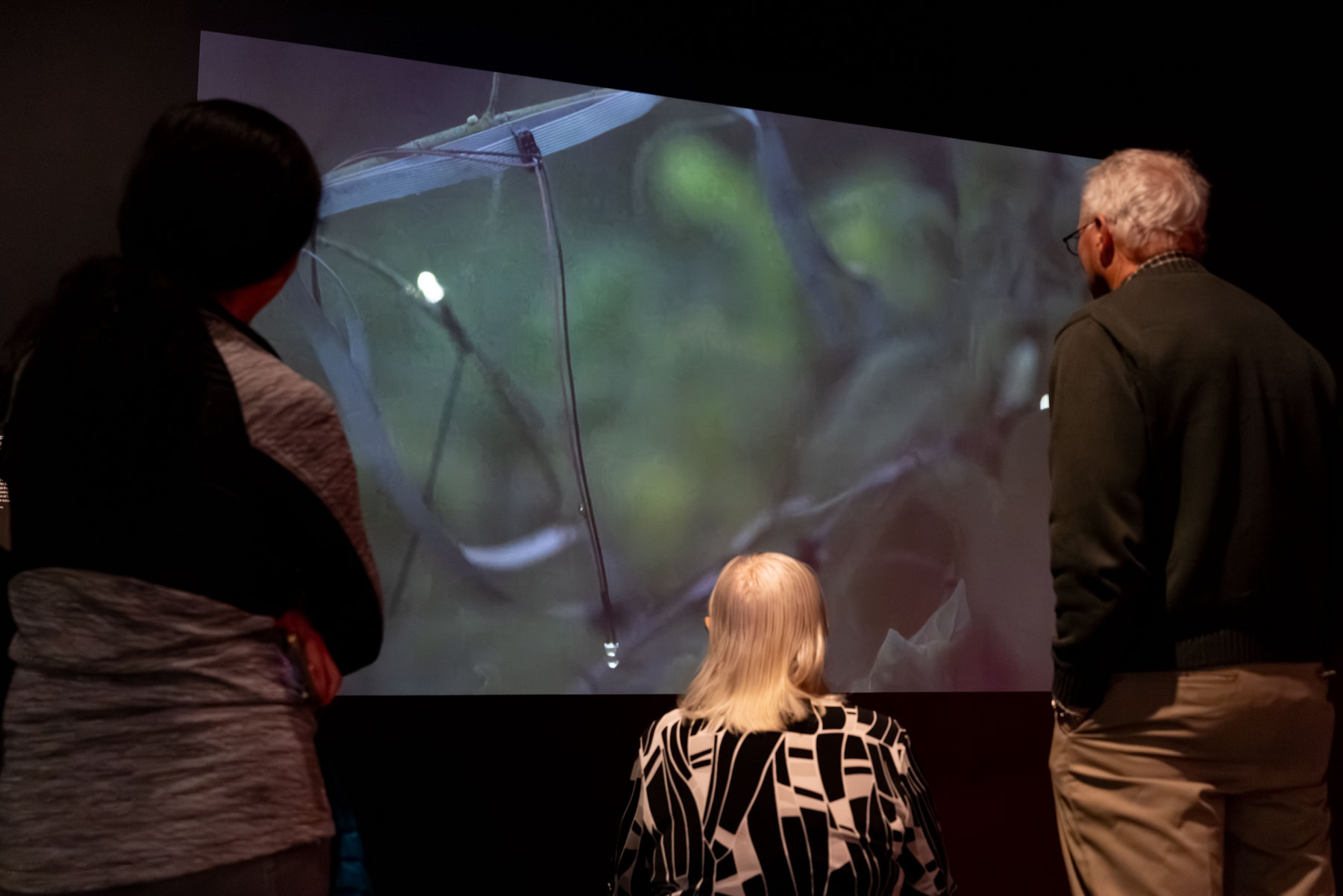
In a mangrove forest in Thailand, the artists have established a light-based form of communication with fireflies (Pteroptyx malaccae). Using computer-controlled LEDs, they can influence the rhythmic flashing of large colonies of these insects. The fireflies synchronize their flashes to the LEDs without any centralized control, allowing computers and insects to interact in a rhythmic composition of light – a silent orchestra harmonizing without the need for a conductor.
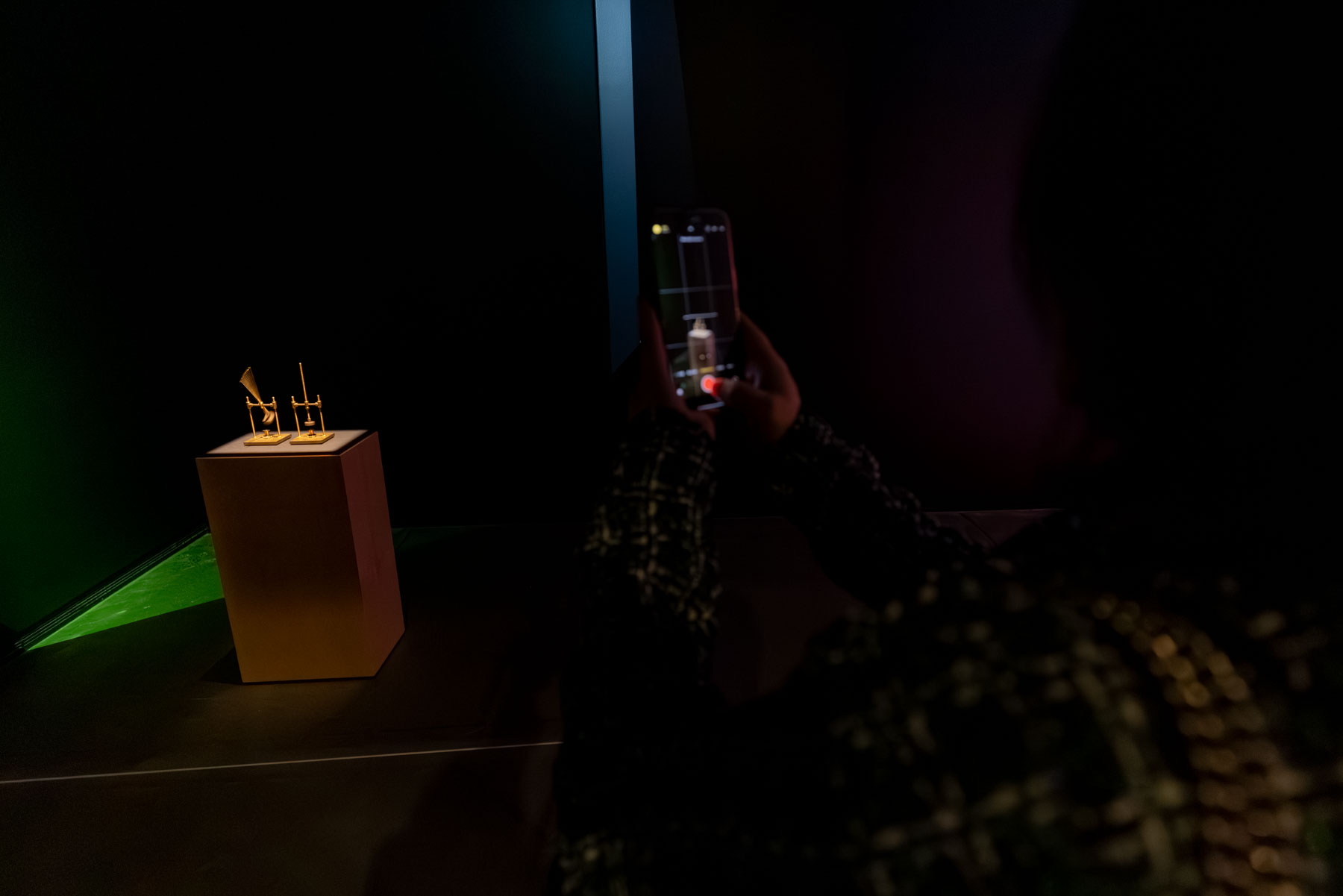
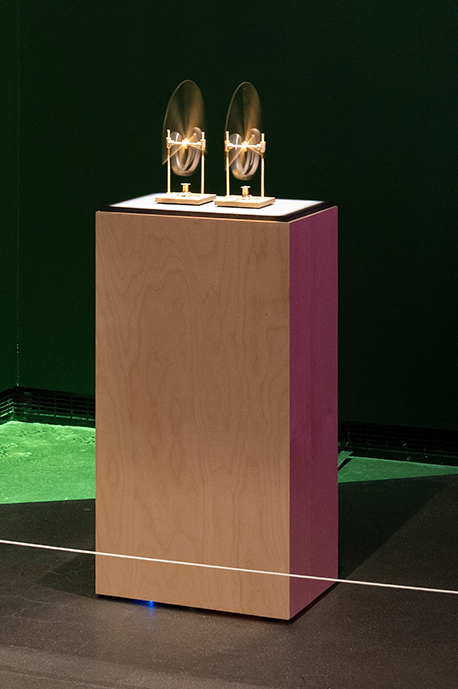
Synchronicity (16mm)
Projection with electromagnetic pendulums
Fireflies use their bioluminescent signal to communicate and create collective displays to attract mates. While light is the main zeitgeber, or time-giver, for circadian rhythms on a 24-hour scale, pulses of LED lights on a scale of seconds can also synchronize the nocturnal glow rhythms of fireflies. In the creation of this work, 16mm photographic film was directly exposed to the light of two captive fireflies (Pteroptyx malaccae). The insects were simply placed on the film, without cameras or optics. The projection of the resulting glow patterns is modulated by two electromagnetic pendulums, which are placed close enough for their magnets to slightly influence each other. Steadily synchronizing, they settle on a common beat, just as fireflies synchronize in nature.